Wireless Load Cells: Selection, Radio, Power, and Security
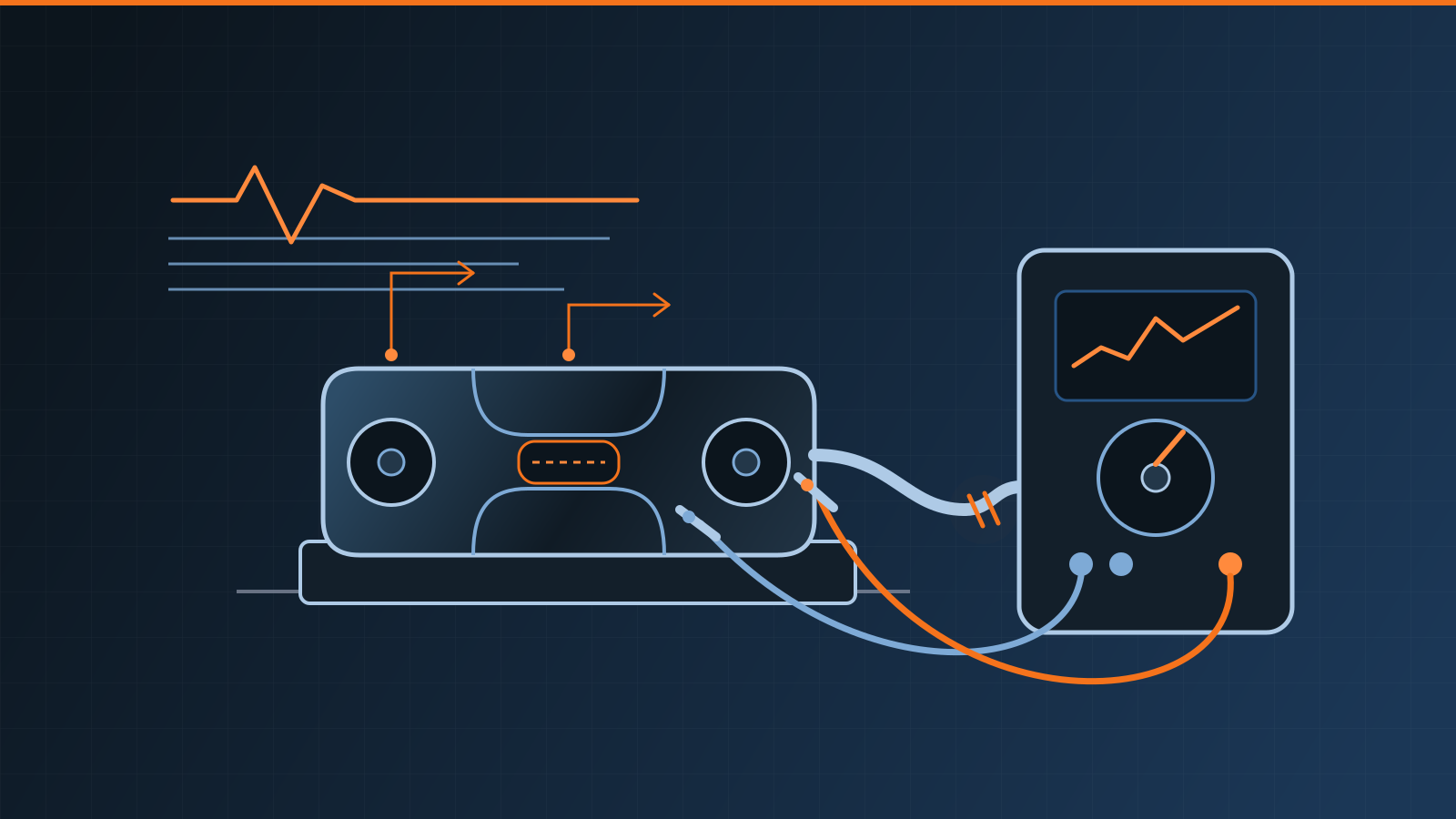
Understand wireless load cell architecture, radio reliability, battery planning, cybersecurity, calibration, and selection without relying on range claims.
Read guide →
Educational guides about load cells, sensors, signal issues, troubleshooting and how weighing systems measure force.
Understand wireless load cell architecture, radio reliability, battery planning, cybersecurity, calibration, and selection without relying on range claims.
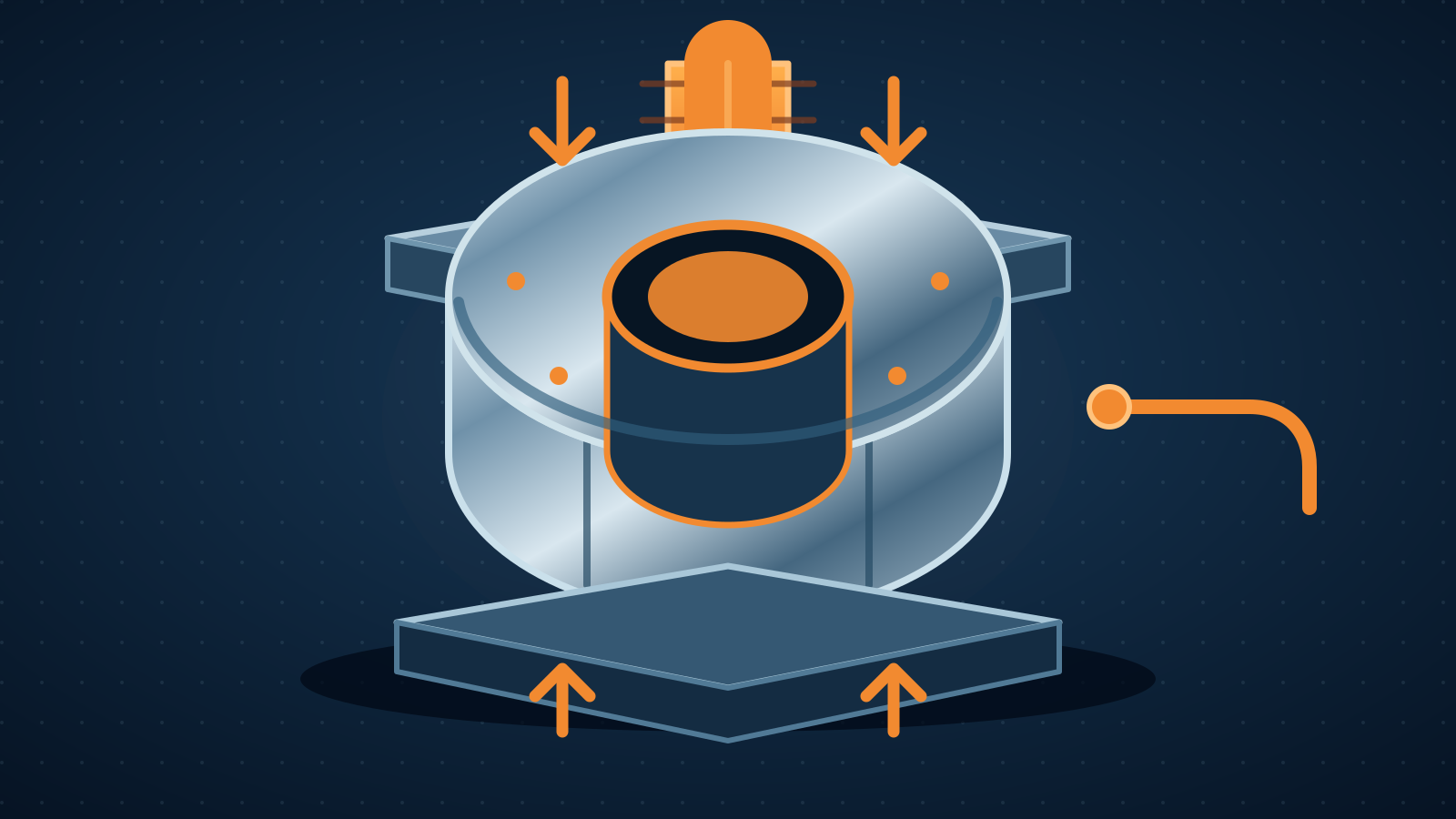
Learn how a donut load cell, also called a through-hole load cell, measures compression or tension and what reliable, qualified installation requires.
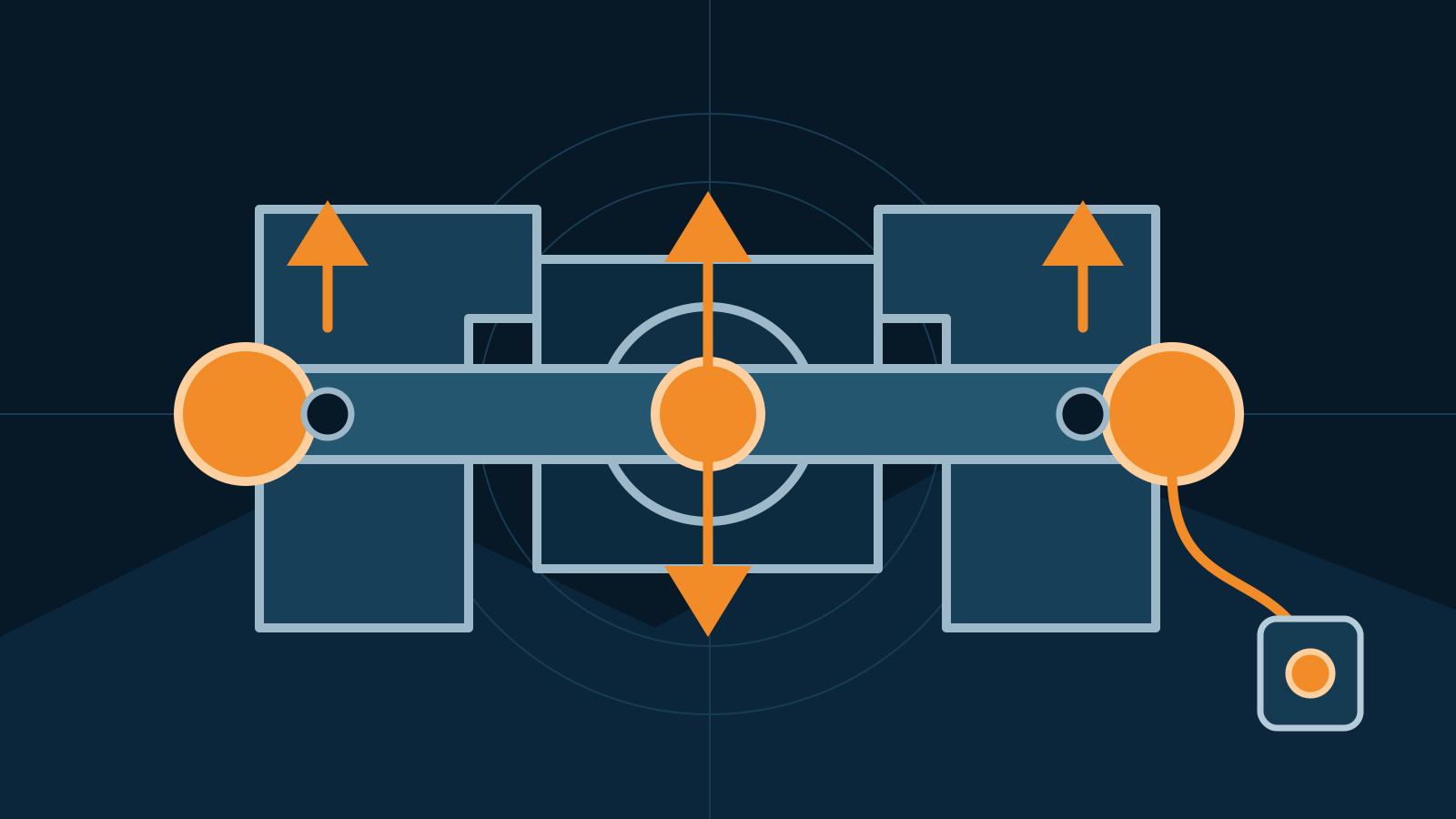
Learn how a load pin measures force in clevis and pinned joints, what affects accuracy, and how to specify, install, calibrate, and inspect one safely.
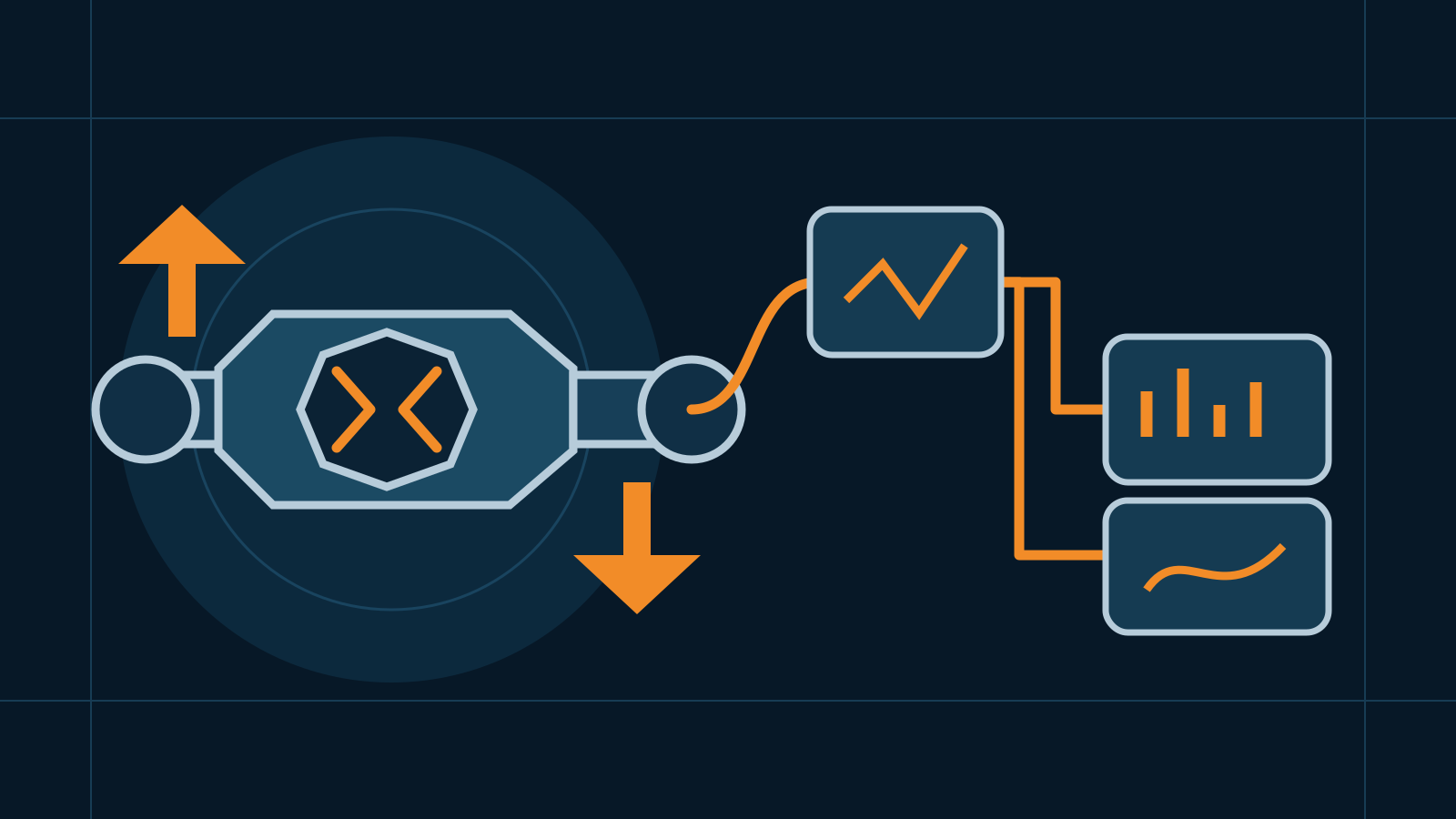
Understand what a force transducer does, how it differs from a load cell and dynamometer, and how to specify the sensor, electronics, mounting, and calibration.
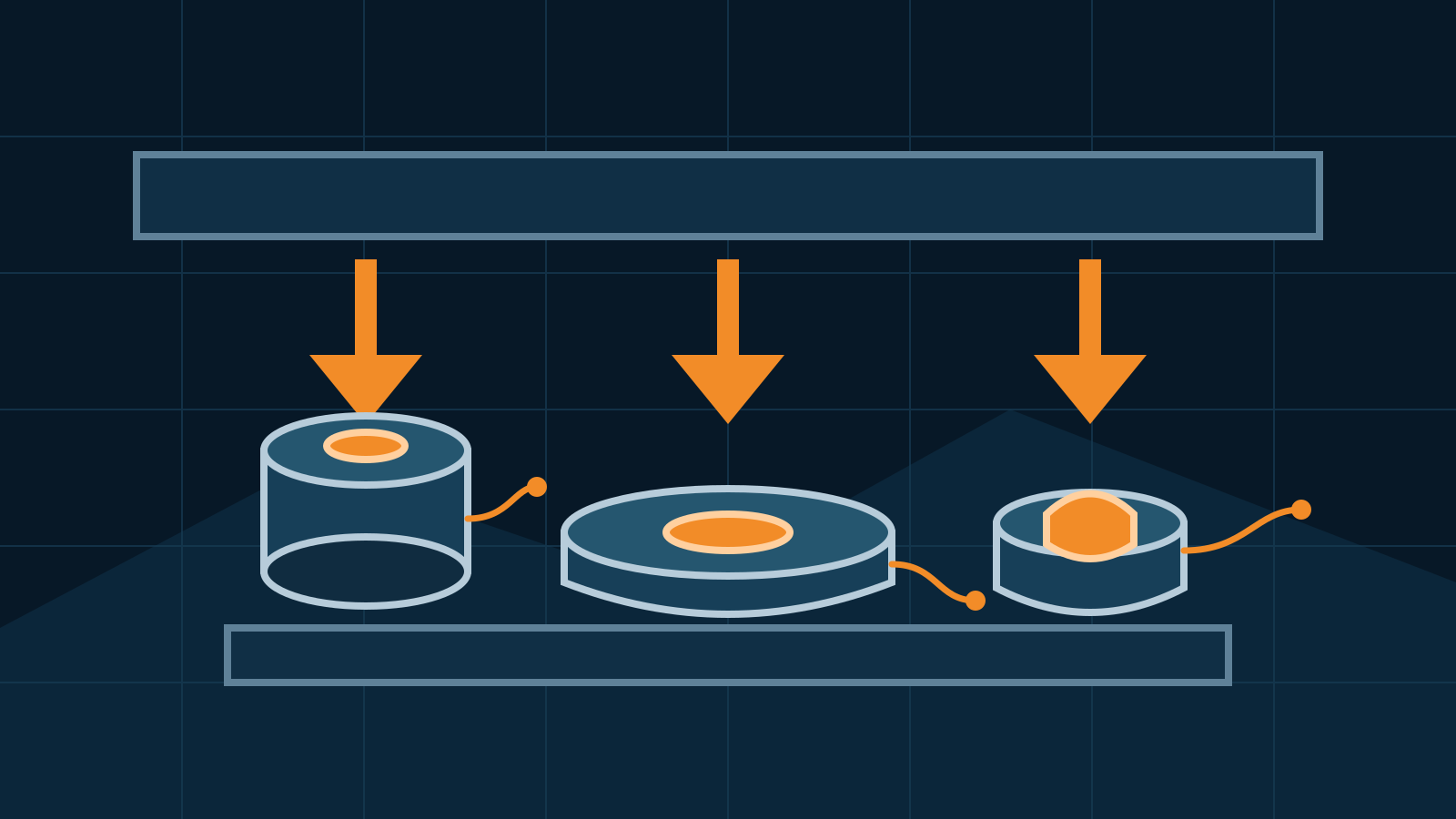
Learn how compression load cells work, compare canister, pancake, and button designs, and review selection, mounting, calibration, and safety factors.
Troubleshoot load cell faults in a safe sequence: document symptoms, inspect mechanics and wiring, then have a qualified technician test excitation and signal.
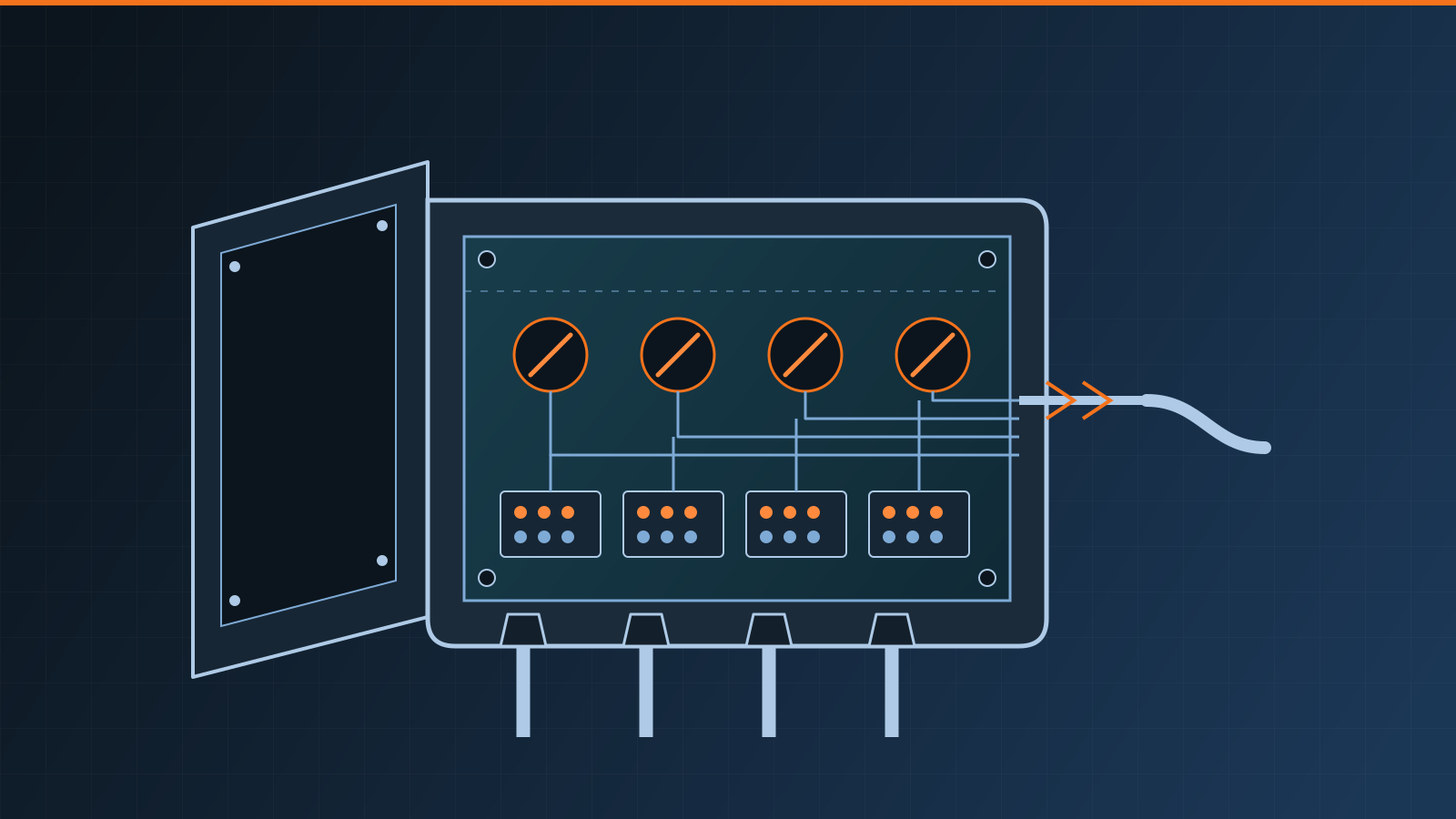
Learn how a load cell junction box sums signals, supports corner adjustment, protects wiring, and what to check when selecting or troubleshooting one.
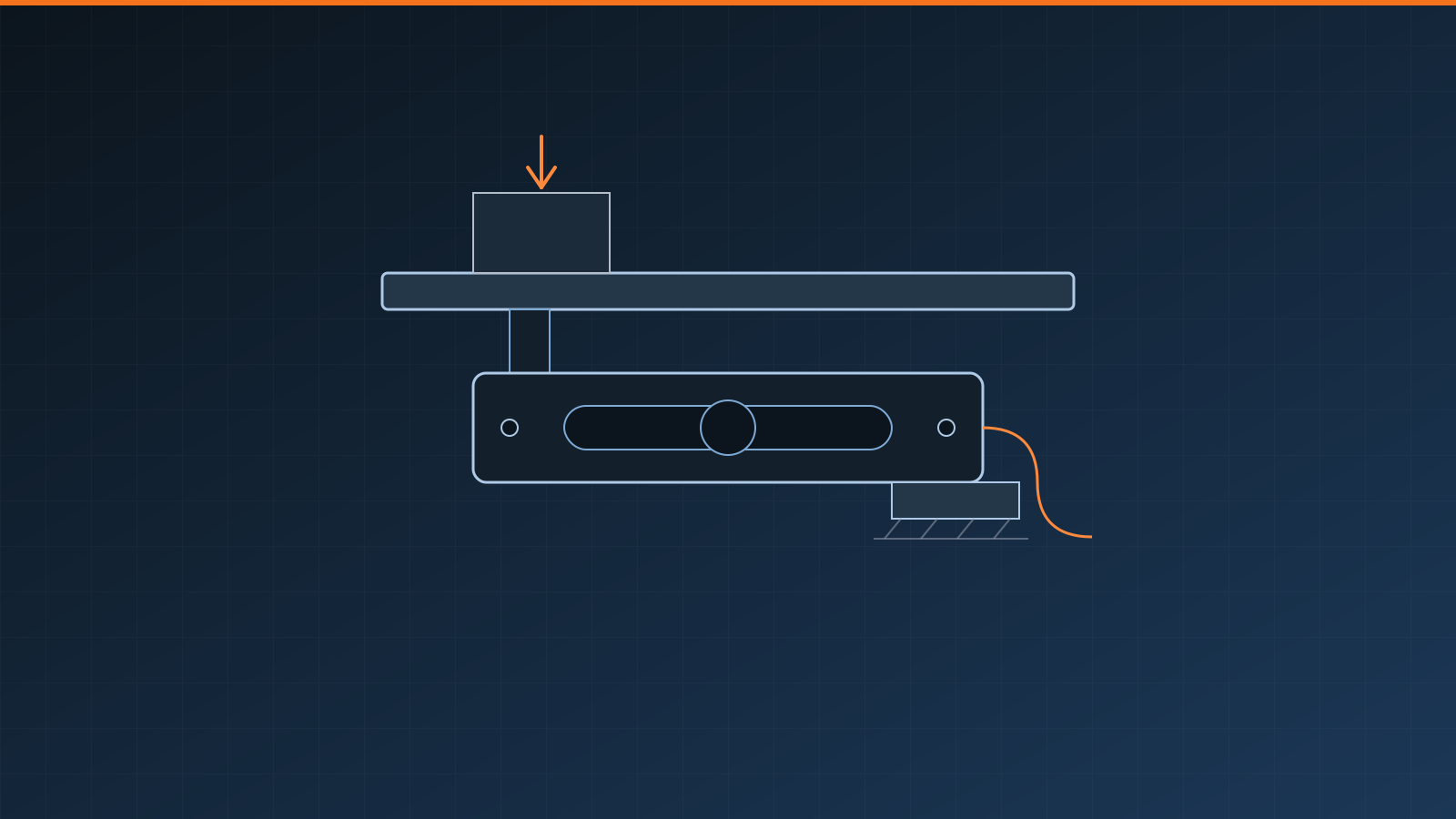
What a single point load cell is, how it handles off-centre loading, where it is used, and how to select and mount one in small platform and bench scales.
A clear guide to the load cell at the heart of crane scales and dynamometers: how strain-gauge sensing works, what affects accuracy, and common signal issues.
Our load cells coverage is written for industrial buyers, operators and maintenance teams who need clear, vendor-neutral information. We focus on practical understanding — how the equipment works, what affects accuracy and reliability, and where to seek qualified help for safety-critical or regulated decisions.