Wireless Load Cells: Selection, Radio, Power, and Security
Understand wireless load cell architecture, radio reliability, battery planning, cybersecurity, calibration, and selection without relying on range claims.

A wireless load cell combines a force-sensing element with local electronics and a radio link so measurement data can reach a gateway, indicator, handheld, or control system without a continuous signal cable. It can simplify rotating, mobile, temporary, inaccessible, or retrofit measurements, but it does not make installation automatic. Radio coverage, batteries, time behavior, cybersecurity, calibration, and safe loss-of-signal behavior must be specified as carefully as capacity and mechanical fit.
Key takeaways
- Wireless removes a data cable from part of the system; it does not remove the need for power, correct load introduction, or calibration.
- There is no universal radio range, battery life, resolution, update rate, or accuracy.
- Test the link in the actual environment, including obstructions, machinery, competing radios, and weak-signal locations.
- Define what the receiver and process do with missing, delayed, duplicated, or stale data.
- Treat pairing, authentication, encryption, updates, credentials, network boundaries, and logging as procurement requirements.
- Distinguish a wireless sensor node from a wireless dynamometer used as a complete in-line force instrument.
What “wireless load cell” can mean
Products under this label are not all alike. One may be a conventional strain-gauge cell connected to a nearby battery-powered transmitter. Another integrates the sensing element, analog conversion, radio, and battery into one enclosure. A multi-cell platform may use wireless nodes at each support, while another system sends only the already combined weight from one transmitter.
Clarify the architecture before comparing specifications:
- Where is the analog signal converted to digital data?
- Does each cell transmit independently, or does one module collect several cells?
- Which device receives the data—a dedicated indicator, handheld, local gateway, or network service?
- Where are calibration coefficients, zero, filtering, alarms, and records stored?
- What happens locally and remotely if power or communications fail?
The answers affect synchronization, troubleshooting, spare parts, cybersecurity, and whether data remains available during an outage.
Measurement performance is a complete-system question
A radio carries data; it does not inherently define measurement quality. Performance starts with the mechanical installation and sensor: capacity, loading mode, stiffness, alignment, side loads, creep, hysteresis, repeatability, temperature behavior, and overload exposure. It continues through excitation, analog-to-digital conversion, filtering, sample timing, calibration, transmission, receiver processing, and display.
Do not use displayed digits as proof of resolution or accuracy. Ask for complete-system specifications under stated conditions and compare them with the process tolerance. For dynamic events, update rate, filtering, time synchronization, latency, and dropped samples may matter as much as static error. For multiple wireless cells, understand whether readings are captured at aligned times before they are summed or compared.
The underlying sensing principles remain those of other strain-gauge systems; our guide to how load cells work provides that foundation. After installation, verify the assembled measurement chain with suitable references and representative operating conditions.
Radio planning without relying on a headline range
Published range is meaningful only with its test conditions. Warehouse racks, steel vessels, reinforced walls, moving vehicles, machinery, antenna orientation, enclosures, elevation, weather, and other transmitters can change the link. A path that works during commissioning may become obstructed when inventory or equipment moves.
Instead of assuming one distance, perform a site survey or application trial. Test normal and edge locations, expected receiver placement, closed doors, full storage conditions where practical, operating machinery, and likely antenna orientations. Record signal quality and data loss rather than merely noting that one packet arrived.
| Radio question | Practical evidence to request or test |
|---|---|
| Coverage | Performance at every required position under representative site conditions |
| Interference tolerance | Behavior when nearby radio and electrical equipment is active |
| Data integrity | Detection of corrupted, duplicated, out-of-order, or missing messages |
| Recovery | Reconnection behavior after obstruction, receiver restart, or sensor sleep |
| Scalability | Supported node count and performance at the intended update rate |
| Compliance | Product documentation appropriate to the installation jurisdiction and location |
Define fail-safe behavior. A receiver should not silently present an old value as current. The process may need a visible stale-data indication, timestamp, alarm, controlled hold, rejected transaction, or safe equipment state. The correct response depends on whether the measurement informs inventory, batching, overload protection, or another decision.
Battery and power management
Wireless does not mean unpowered. Integrated cells may use replaceable or rechargeable batteries, while fixed transmitters may use local external power with battery backup. Battery planning should consider transmission interval, sampling rate, sleep mode, retries under poor radio conditions, display use, temperature, age, storage, and maintenance access.
Build an operating plan around the actual duty cycle:
- define how low-battery condition is reported and where the alert is visible;
- decide who charges or replaces batteries and how the action is recorded;
- keep approved spares available where downtime matters;
- assess access hazards before locating a battery compartment on elevated or guarded equipment;
- preserve sealing and environmental protection during service;
- confirm whether calibration or configuration is retained when power is removed;
- test restart and reconnection after a battery change.
Do not extrapolate a universal life from a nominal battery capacity. Ask for manufacturer estimates with their sampling, transmission, temperature, and radio assumptions, then monitor site experience.
Cybersecurity belongs in the specification
A wireless measurement path increases the number of devices and trust relationships in the system. The risk is not limited to a stranger reading a value; unauthorized configuration, false data injection, device impersonation, replayed messages, unavailable gateways, and unsupported software can affect operations and records.
Procurement and IT review should address:
- device identity, secure pairing, and prevention of accidental connection to the wrong cell;
- authentication and encryption for radio and network communications where supported;
- unique credentials and a controlled method to rotate or revoke them;
- signed or otherwise authenticated firmware and a documented update process;
- vulnerability reporting, support lifetime, and security-update availability;
- role-based access to calibration, zero, units, alarms, and configuration;
- event, configuration, and user logging appropriate to the application;
- gateway segmentation, firewall rules, remote-access control, backups, and recovery;
- secure decommissioning, including removal of keys, credentials, and stored data.
Cybersecurity controls must match the consequence of manipulated or unavailable data. A stand-alone inventory check and a measurement used by automated machinery do not present the same risk. Coordinate with the organization’s security policy rather than assuming a proprietary radio is inherently private.
Wireless load cell versus wireless dynamometer
A wireless load cell is a sensor or node that may be built into a platform, machine, fixture, vehicle, test stand, or vessel. A wireless dynamometer is normally a complete instrument designed to measure force in line with a tensioned or suspended load, often with shackles or other specified connectors and a remote display.
The wireless feature overlaps, but the mechanical and safety intent differs. Do not select a generic wireless cell as lifting hardware, and do not assume a dynamometer is the best component for a fixed weighing machine. For lifting and in-line tension applications, use the dedicated wireless dynamometer guide and manufacturer-approved rigging arrangements.
Selection and commissioning checklist
- Define force range, loading mode, mechanical interfaces, dynamics, and overload exposure.
- State the process tolerance; review accuracy, resolution, filtering, update rate, and latency separately.
- Map sensor, transmitter, receiver, gateway, software, and calibration ownership.
- Trial radio coverage in representative operating and weak-signal conditions.
- Specify stale-data indication, data-loss alarms, reconnection, and safe process response.
- Model battery duty cycle and create an accessible maintenance plan.
- Review environmental sealing, temperature, vibration, chemicals, and antenna placement.
- Complete cybersecurity and network review before connection to operational systems.
- Confirm records, timestamps, identifiers, export, and offline behavior.
- Calibrate and verify the installed chain, then document acceptance tests and responsibilities.
Calibration requirements depend on the application, jurisdiction, manufacturer recommendations, and operating conditions. Qualified technicians should install and calibrate the measurement system, while qualified IT or cybersecurity personnel should approve connected architecture. For fault investigation, use a controlled sequence such as the one in our load cell troubleshooting guide rather than changing radio, calibration, and mechanical settings at the same time.
Frequently asked questions
How far can a wireless load cell transmit?
There is no universal range. It depends on the specific radio, antenna, transmit power, receiver, obstructions, reflections, interference, mounting, and local radio rules. Validate coverage in the real installation and test failure behavior at weak-signal locations.
Are wireless load cells less accurate than wired load cells?
Wireless transmission does not by itself determine measurement accuracy. Sensor design, mechanics, signal conditioning, calibration, temperature, power state, sampling, and installation all matter. Compare complete-system specifications and verify installed performance.
How long does a wireless load cell battery last?
Battery life varies with sampling and transmission rates, sleep behavior, temperature, battery chemistry, radio conditions, retries, and duty cycle. Use the manufacturer’s stated conditions, then create a site-specific replacement or charging plan with low-battery alerts.
Is a wireless load cell the same as a wireless dynamometer?
No. A wireless load cell is a sensor or measurement node used in many force and weighing arrangements. A wireless dynamometer is a complete force-measuring instrument, commonly installed in a tension or lifting load path, with its own mechanical and safety requirements.
Related guides
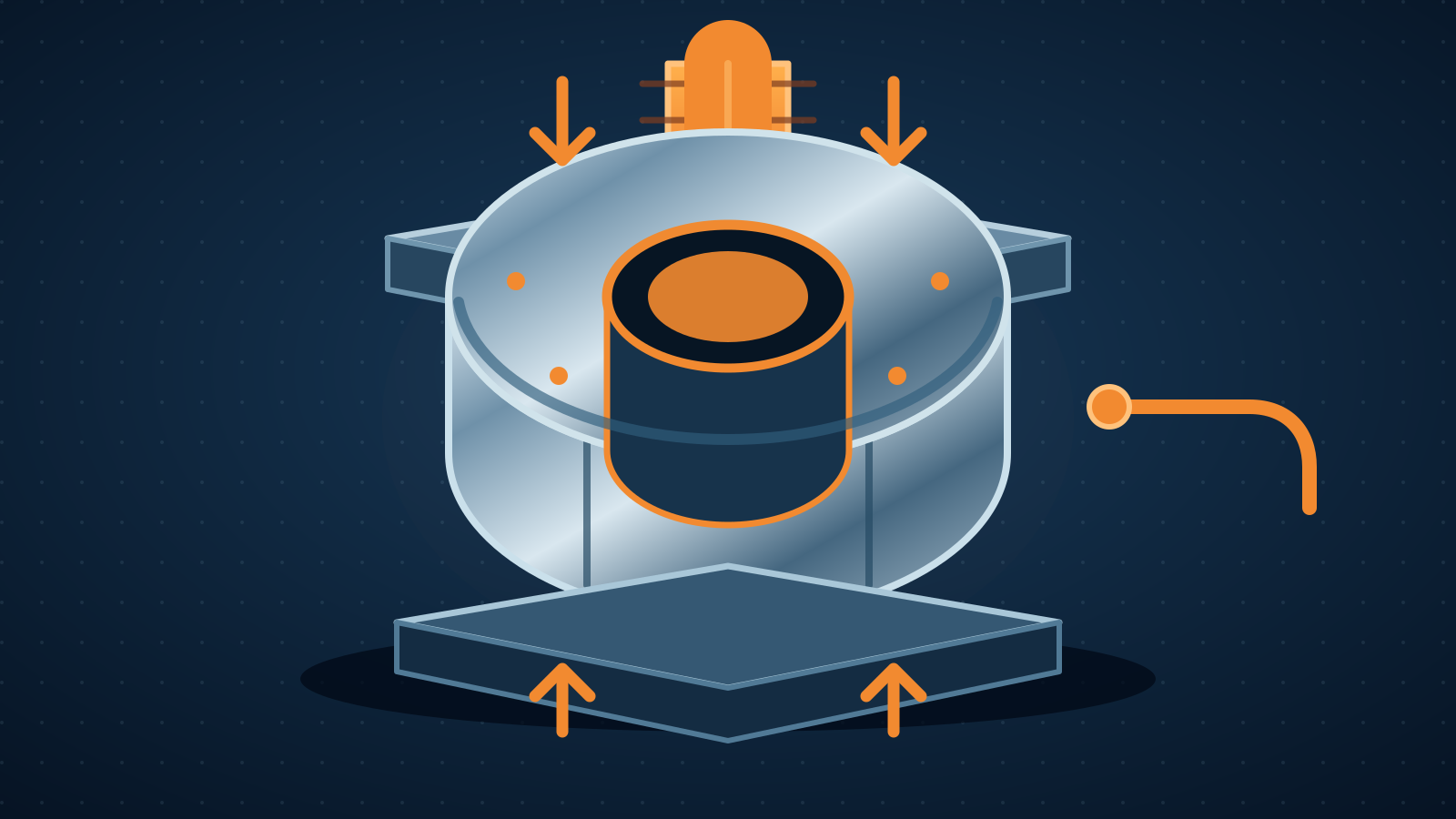
Donut Load Cells: Through-Hole Design and Installation
Learn how a donut load cell, also called a through-hole load cell, measures compression or tension and what reliable, qualified installation requires.
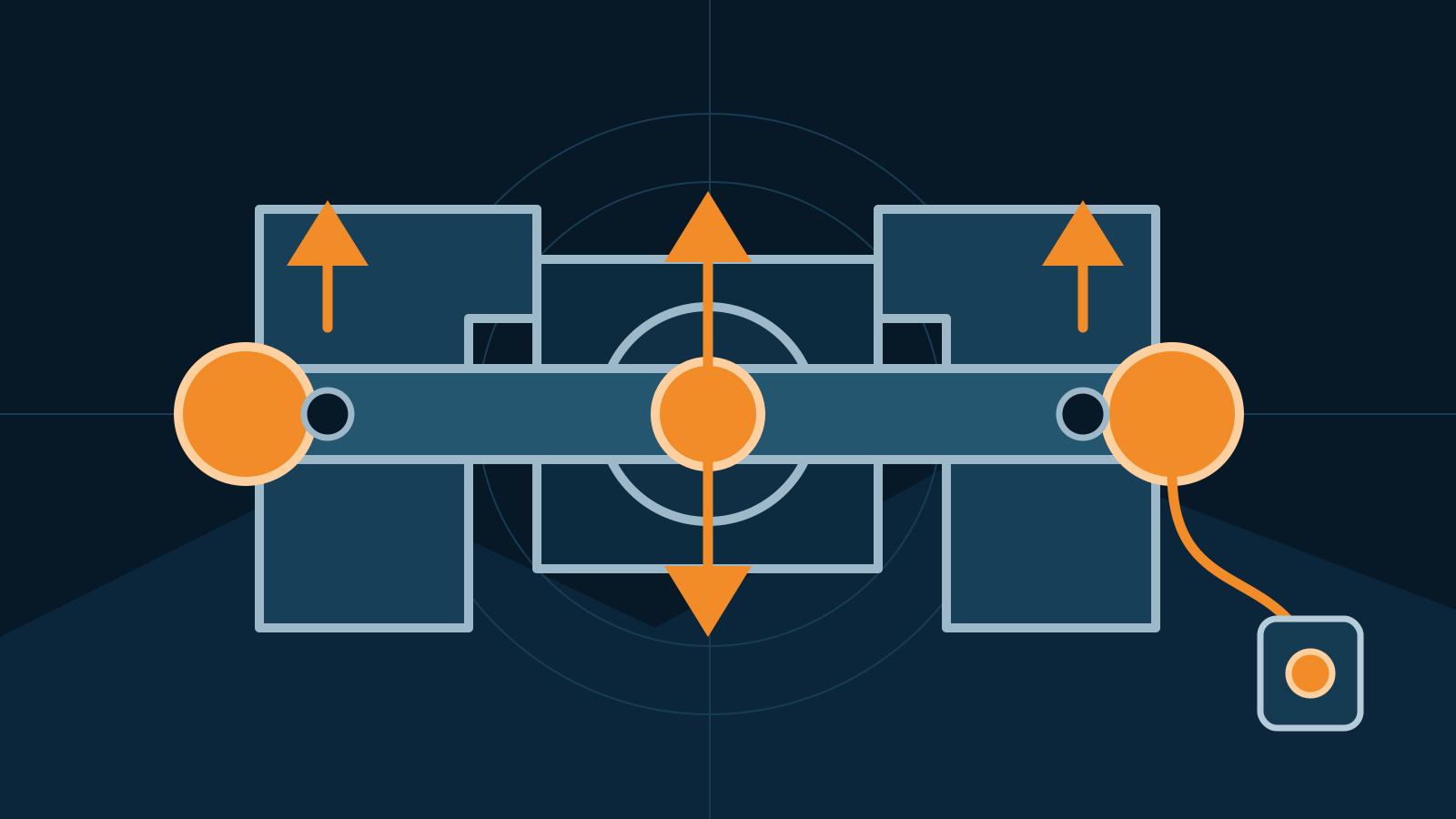
Load Pin: Operation, Selection, Installation, and Safety
Learn how a load pin measures force in clevis and pinned joints, what affects accuracy, and how to specify, install, calibrate, and inspect one safely.
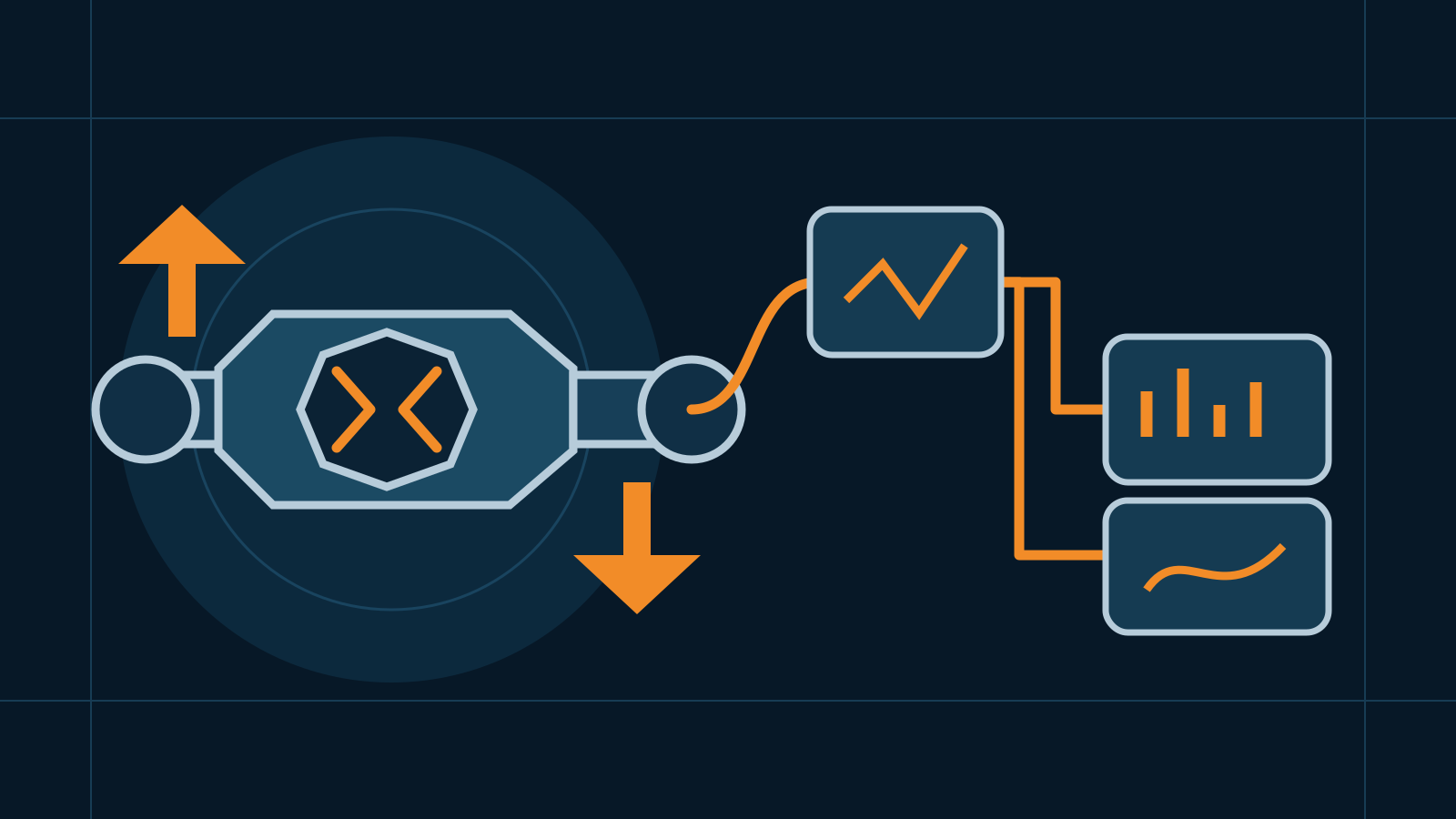
Force Transducer: How It Works and How to Select One
Understand what a force transducer does, how it differs from a load cell and dynamometer, and how to specify the sensor, electronics, mounting, and calibration.