What Is a Weighbridge? Types, Uses and How They Work
A weighbridge weighs road vehicles and their loads. Learn how weighbridges work, the main types, key uses, and what affects accuracy and installation.
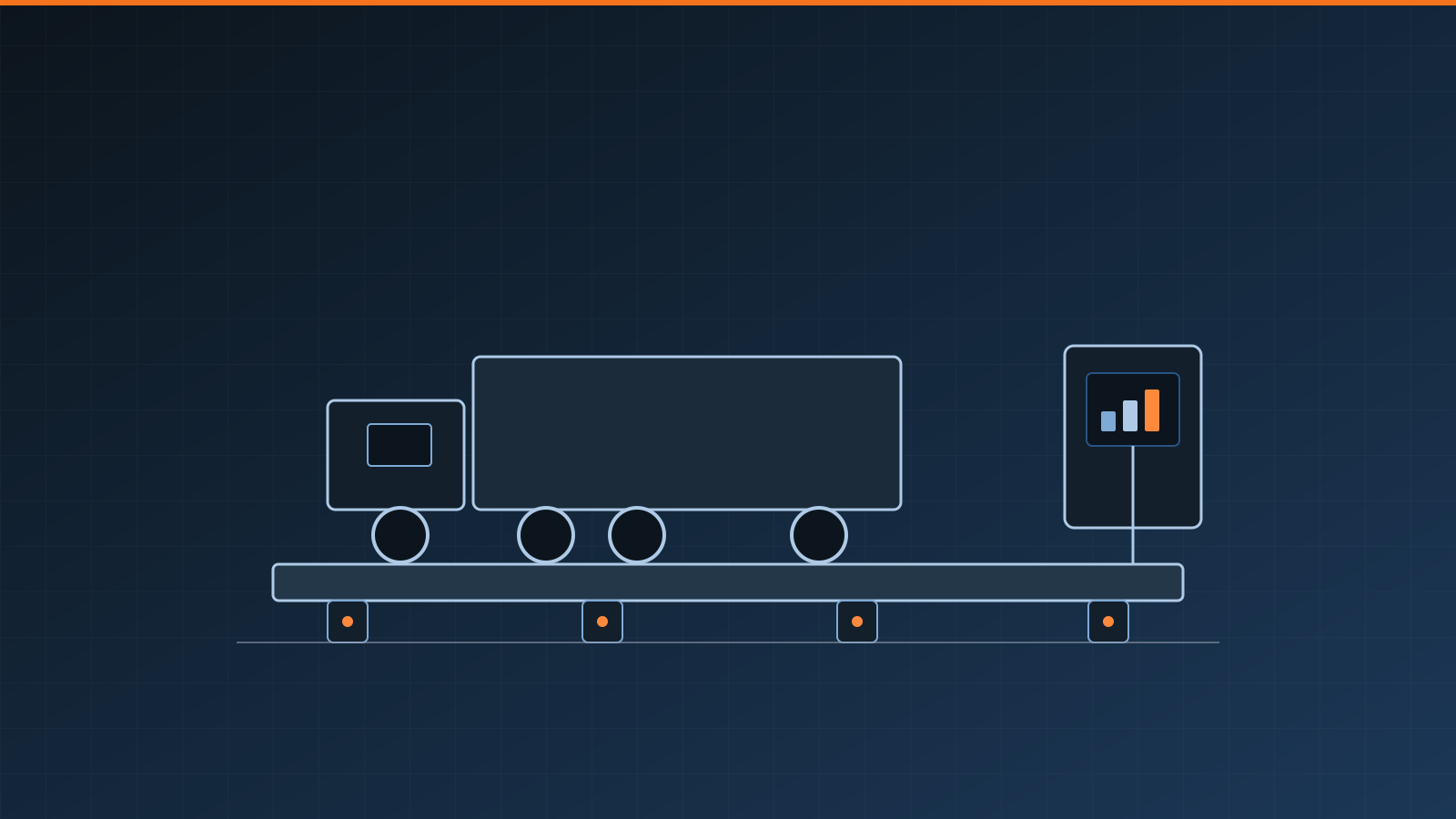
A weighbridge is a large platform scale built into or onto the ground to weigh road vehicles and their loads. A truck drives onto the deck, the load cells beneath measure the force, and a weight indicator displays the total. It is the standard way to weigh bulk goods moved by road — from aggregates and waste to agricultural produce and finished products.
This guide explains how weighbridges work, the main types, where they are used and what affects their accuracy. (“Weighbridge” and “truck scale” mean the same thing — the former is common outside North America.)
Key takeaways
- A weighbridge weighs road vehicles and loads on a deck supported by load cells.
- The two broad installations are pit-mounted (flush) and surface (above-ground on ramps).
- Weighing empty and loaded — or axle-by-axle — gives the net load carried.
- Accuracy depends on the foundation, load cells, calibration and level approaches.
- For buying or selling by weight, the weighbridge must be legal-for-trade approved.
How a weighbridge works
The deck is supported at several points, each sitting on a load cell. When a vehicle drives on, its weight passes through the deck into the cells, which deflect slightly and produce electrical signals proportional to the force. A load-cell junction box sums and balances the cell signals before a weight indicator converts them to a displayed weight. The same sensing principle underpins all weighing systems — see our guide to how load cells work for the detail.
To find the load carried, operators typically weigh the vehicle loaded and empty (tare) and take the difference, or use axle weighing to capture individual axle loads.
Main types
By installation
- Pit-mounted (flush) — the deck sits level with the road. Saves space and eases access, but needs a civil pit, drainage and more maintenance access planning.
- Surface (above-ground) — the deck sits on a shallow foundation with approach ramps. Cheaper and simpler to install and maintain, but needs more overall length for the ramps.
By deck construction
- Concrete deck — heavy, durable and stable, good for high-traffic sites.
- Steel deck — lighter, faster to install and relocate, often modular.
The right choice depends on traffic volume, site space, budget and whether the installation must be permanent or relocatable.
Where weighbridges are used
- Quarries, aggregates and bulk materials — weighing loads in and out.
- Waste and recycling — billing by weight at the gate.
- Agriculture — grain, produce and livestock transport.
- Ports, logistics and manufacturing — inbound and outbound load control.
In most of these the weighbridge supports both commercial transactions (billing by weight) and compliance (staying within legal axle and gross vehicle limits).
What affects accuracy
A weighbridge is only as good as its installation and upkeep:
- Foundation — a stable, correctly engineered foundation is essential; ground movement shifts readings.
- Level approaches — vehicles should sit fully and squarely on the deck.
- Load cells and junction box — damage, moisture or corrosion degrade signals.
- Calibration and maintenance — periodic traceable calibration keeps readings trustworthy, while a planned truck scale maintenance program helps catch debris, corrosion, cable damage and mechanical binding before they distort results.
- Vehicle positioning — the whole vehicle (or the intended axles) must be on the deck.
Because these are safety- and trade-relevant, calibration and legal verification follow defined rules that depend on your jurisdiction — treat manufacturer guidance and local metrology requirements as the authority.
Installation considerations
- Site space for the deck plus approach ramps and vehicle manoeuvring.
- Capacity and length for the heaviest and longest vehicles you handle.
- Drainage and foundation engineering, especially for pit installations.
- Indicator or weighing terminal for stable weight processing and operator controls, plus software integration for tickets, records and site systems.
- Access for calibration and maintenance over the equipment’s life.
Conclusion
A weighbridge is the workhorse of road-vehicle weighing: a load-cell platform that turns a drive-on, drive-off routine into accurate weight data for billing and compliance. Choosing between pit and surface, and concrete and steel, comes down to your site and traffic — but in every case the foundation, load cells and calibration decide how much you can trust the number on the display.
Frequently asked questions
What is the difference between a weighbridge and a truck scale?
They are the same thing — 'weighbridge' is common in the UK, Europe and many other regions, while 'truck scale' is more common in North America. Both describe a large platform scale for weighing road vehicles and their loads.
How does a weighbridge measure weight?
The vehicle drives onto a deck supported on load cells. The load cells convert the force from the deck and vehicle into electrical signals, which a weight indicator sums and displays. Weighing empty and loaded (or using axle weighing) gives the net load.
What is the difference between a pit and a surface weighbridge?
A pit-mounted weighbridge sits flush with the road, saving space and easing vehicle access but needing a civil pit and drainage. A surface (above-ground) weighbridge sits on ramps, is cheaper to install and easier to maintain, but needs more length for approach ramps.
How accurate is a weighbridge?
A well-installed, calibrated weighbridge is accurate to a small fraction of its capacity, but real accuracy depends on the foundation, load cells, calibration, level approaches and how the vehicle is positioned. For trade use it must be type-approved and verified to the applicable rules.
Related guides
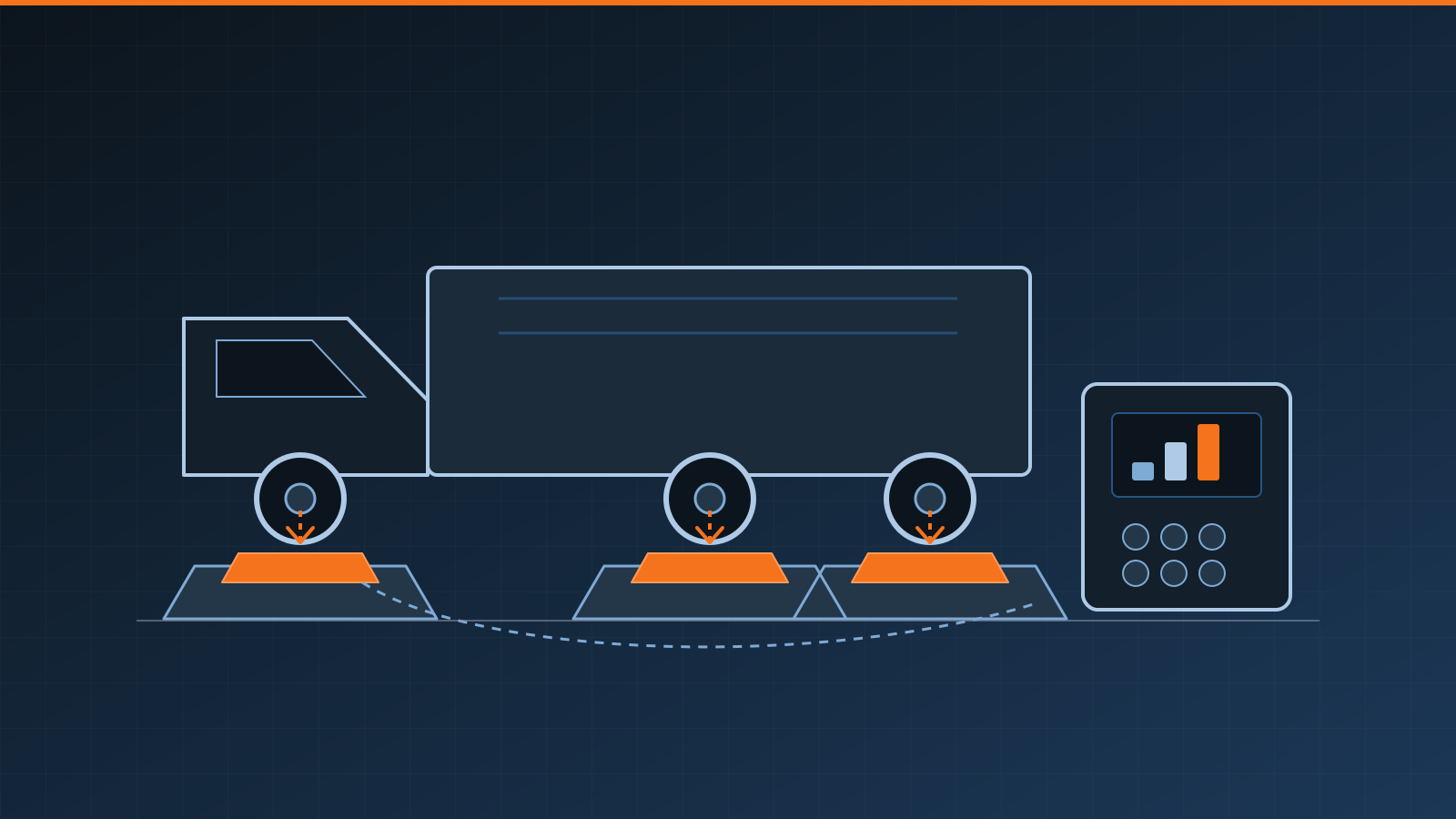
Axle Scales: Types, Uses and Buying Checklist
Learn how axle scales weigh vehicles, compare portable axle weighing pads with platforms, and choose a system for screening, compliance or operations.
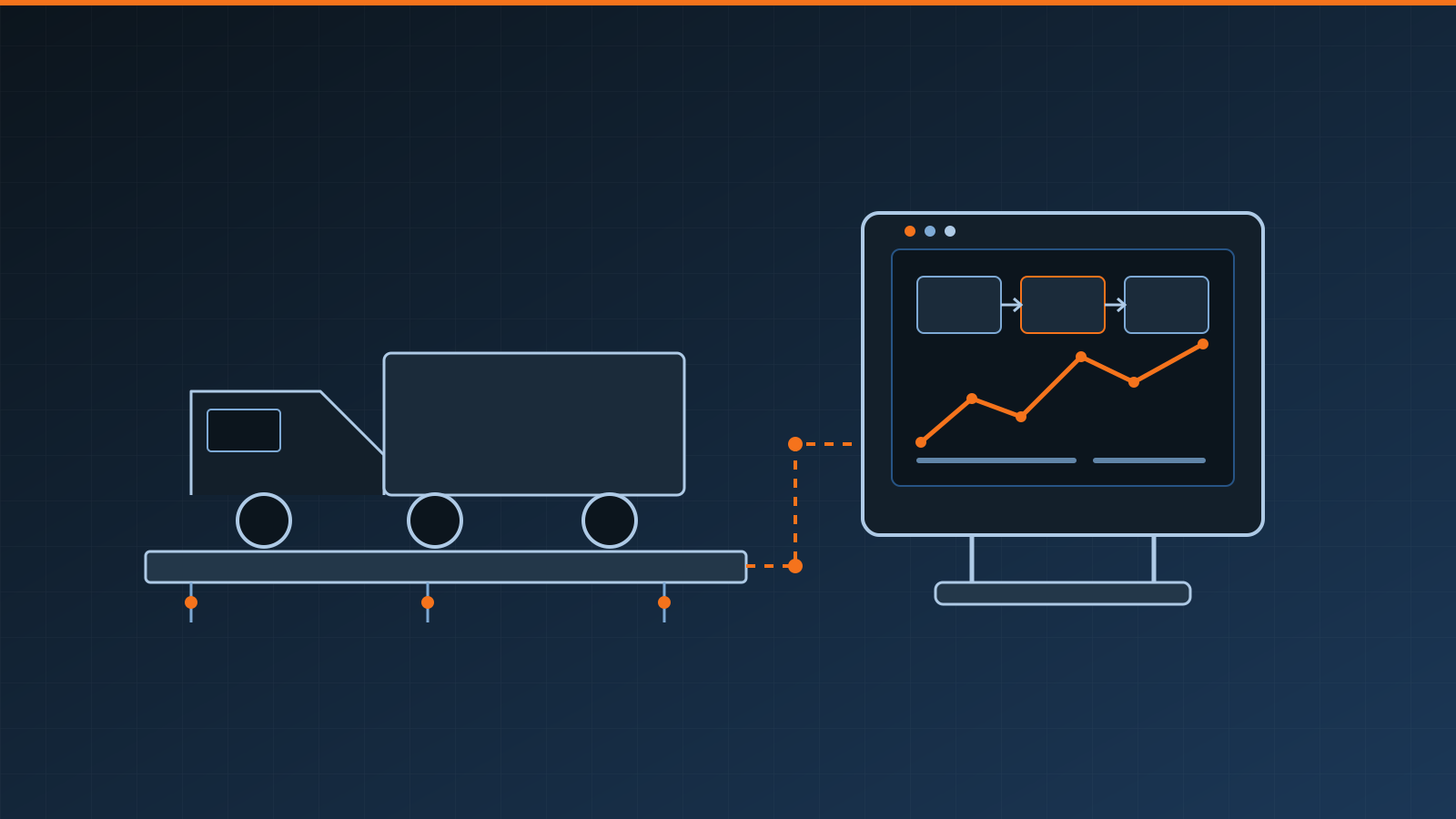
Weighbridge Software: Features, Workflow, and Selection Guide
Learn what weighbridge software does, which features matter, how integrations work, and how to compare systems for secure, efficient truck-scale operations.
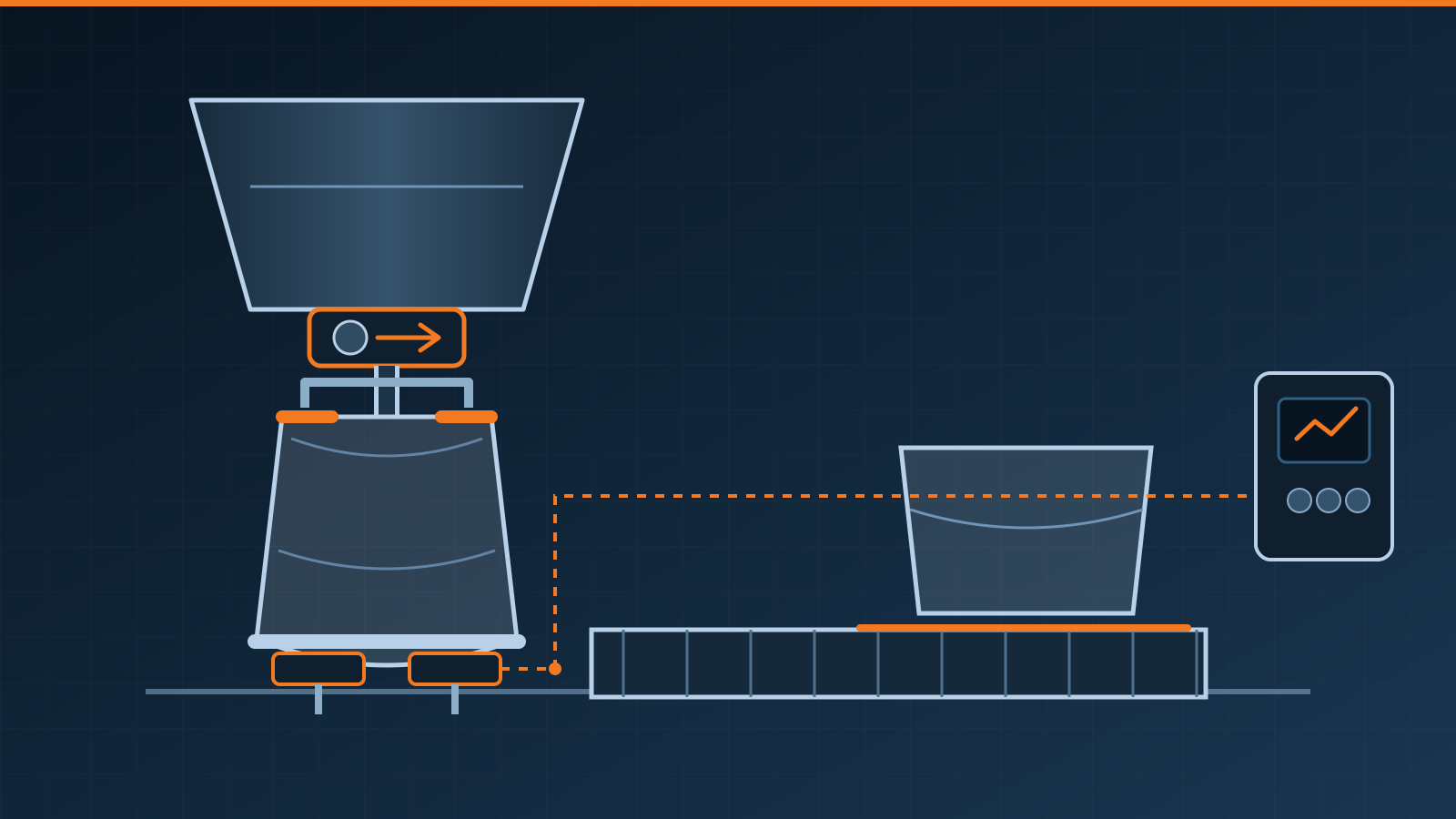
Bagging Scale: Selection and Integration Guide
Learn how a bagging scale weighs and fills bags, how major system types differ, and what to specify for safe, reliable packaging-line integration needs.