Conveyor Belt Scales: How Belt Weighing Works
How conveyor belt scales weigh bulk material in motion, the parts involved, what affects accuracy, and where continuous belt weighing is used in industry.
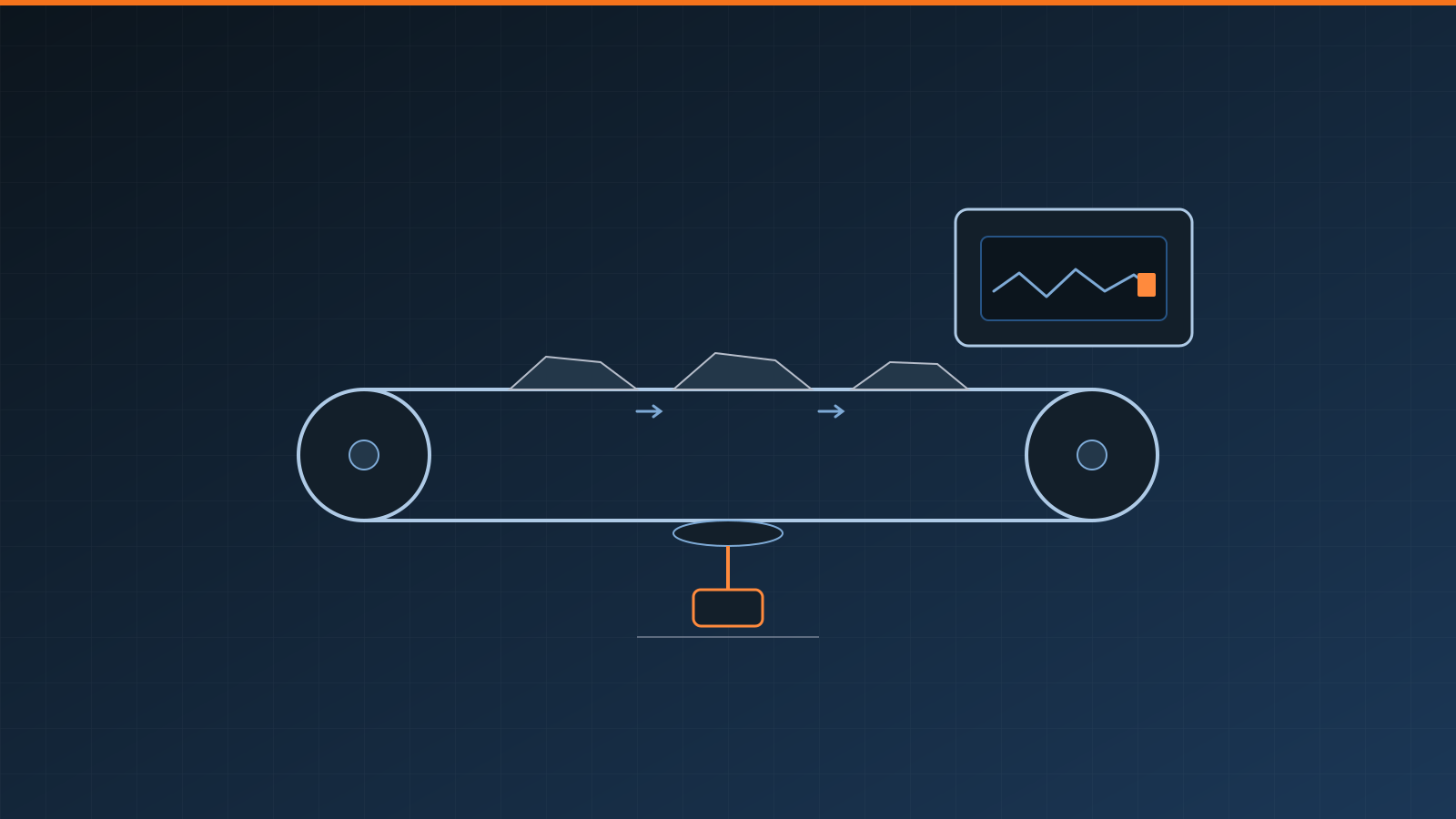
A conveyor belt scale weighs bulk material continuously as it travels along a conveyor, without interrupting the flow. Instead of weighing discrete loads, it measures how much material is on a section of belt and combines that with belt speed to calculate a flow rate and a running total. It is the standard way to measure throughput of materials like aggregates, coal, grain, ore and other bulk solids.
This guide explains how belt weighing works, the parts involved, what affects accuracy, and where it is used. For static road-vehicle weighing of bulk loads, see our related weighbridge guide.
Key takeaways
- A belt scale weighs material in motion and totals it over time.
- Core parts: a weigh frame and idler on load cells, a belt speed sensor, and an integrator.
- Total = load per unit length × belt speed, integrated over time.
- Accuracy depends on idler count, belt condition, alignment and calibration.
- It is ideal for throughput measurement, not usually single-load trade weighing.
How belt weighing works
Three measurements combine to give a result:
- Load on the belt. One or more idler rollers sit on a weigh frame supported by load cells. As material passes over, the cells measure the weight of material on that span of belt. The sensing is the same principle covered in our guide to how load cells work.
- Belt speed. A speed sensor (often on a tail or return pulley) measures how fast the belt moves.
- Integration. The integrator multiplies load-per-length by speed to get a mass flow rate (for example, tonnes per hour), then adds it up over time for a total.
The result is continuous: a live flow rate plus an accumulating total, without stopping the process.
The main parts
- Weigh frame and weigh idler(s) — the sensing section. More weigh idlers generally means better accuracy.
- Load cells — measure the material load on the weigh idler(s).
- Belt speed sensor — provides the speed input.
- Integrator / indicator — does the calculation and displays rate and total.
What affects accuracy
Belt weighing is sensitive to the mechanical condition of the conveyor:
- Number of weigh idlers — multi-idler scales average out belt effects and read more accurately.
- Belt tension and condition — a stiff, damaged or uneven belt changes how load transfers to the idler.
- Alignment and idler condition — misaligned or worn idlers introduce error.
- Steady feed — surging or uneven material loading reduces accuracy.
- Calibration — regular checks keep the scale trustworthy.
- Environment — build-up of material on the frame or idlers must be managed.
Because of these factors, belt scales are typically specified for throughput totalising rather than trade-grade weighing of individual loads, unless a system is specifically approved for that purpose.
Calibration methods
Belt scales are calibrated by simulating or referencing a known load:
- Static test weights hung or placed on the weigh frame.
- Calibration chain laid across the idlers to simulate material load.
- Material test — running a known quantity and comparing against a reference weighing.
Frequency depends on accuracy requirements, duty and any regulations. Follow the manufacturer’s procedure and keep records.
Where belt scales are used
- Quarries and mining — measuring extracted and processed material.
- Bulk handling and ports — loading and unloading rates and totals.
- Cement, aggregates and minerals — process and inventory control.
- Agriculture and food — grain and bulk ingredient throughput.
The common need is knowing how much material is moving, continuously, to control processes, manage inventory and support billing by throughput.
Conclusion
A conveyor belt scale answers a question static scales can’t: how much material is flowing, right now and in total, without stopping the belt. It does this by combining load, speed and time through a weigh idler and integrator. Its accuracy is a direct reflection of the conveyor’s mechanical health and calibration — keep the belt, idlers and alignment in good order, and the totals stay dependable.
Frequently asked questions
How accurate is a conveyor belt scale?
Accuracy depends on the number of weigh idlers, belt condition, alignment, calibration and how steady the material feed is. Multi-idler scales on well-maintained conveyors can be quite accurate for continuous weighing, but belt scales are generally used for throughput totals rather than trade-grade single-load accuracy unless specifically approved.
What is a weigh idler?
It is the roller (or set of rollers) mounted on a weigh frame supported by load cells. As material passes over it, the load cells measure the weight of material on that section of belt, which is combined with belt speed to calculate flow rate and total.
How does a belt scale calculate total weight?
It multiplies the measured load per unit length of belt by the belt speed to get a mass flow rate, then integrates that rate over time. A speed sensor on the belt provides the speed input, and the integrator sums the flow into a running total.
How is a conveyor belt scale calibrated?
Common methods include static test weights on the weigh frame, a calibrated chain across the idlers, or material tests against a reference weighing. Frequency depends on accuracy needs, duty and any regulatory requirements; follow the manufacturer's procedure.
Related guides
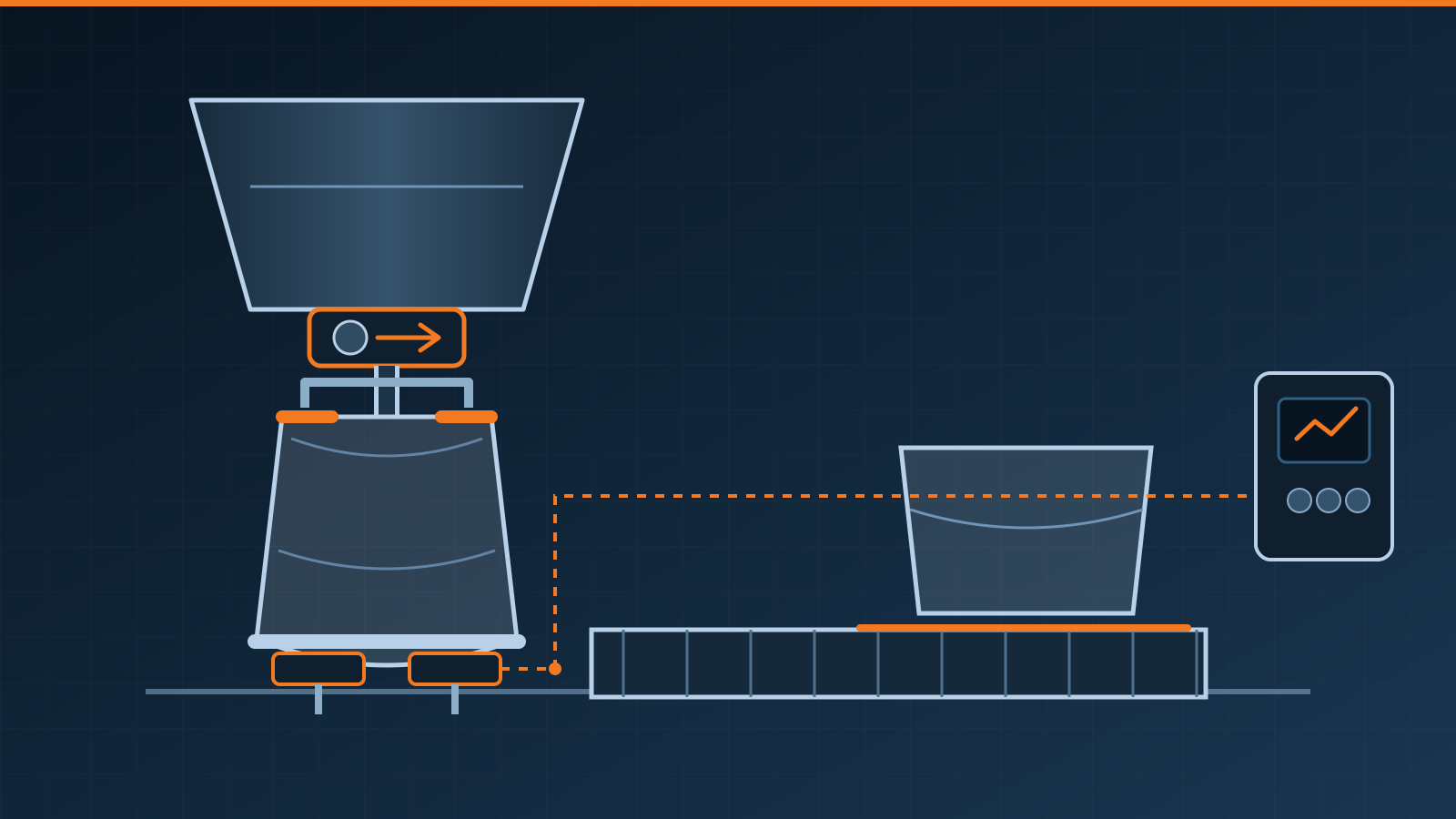
Bagging Scale: Selection and Integration Guide
Learn how a bagging scale weighs and fills bags, how major system types differ, and what to specify for safe, reliable packaging-line integration needs.
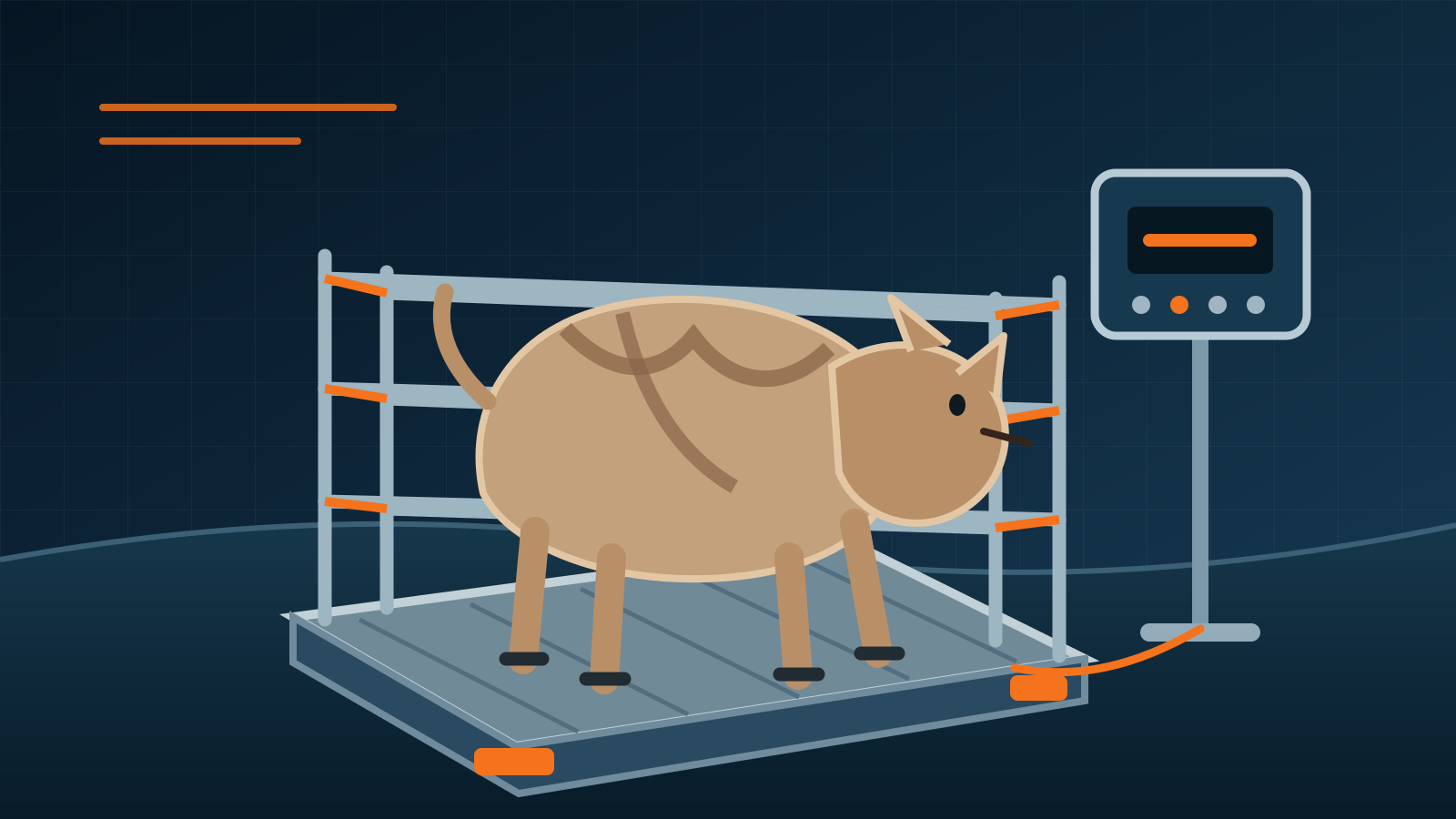
Livestock Scale Guide: Types, Handling and Selection
Learn how livestock scales work, compare platform, alley, crate and portable designs, and plan safer animal handling, installation, weighing and maintenance.
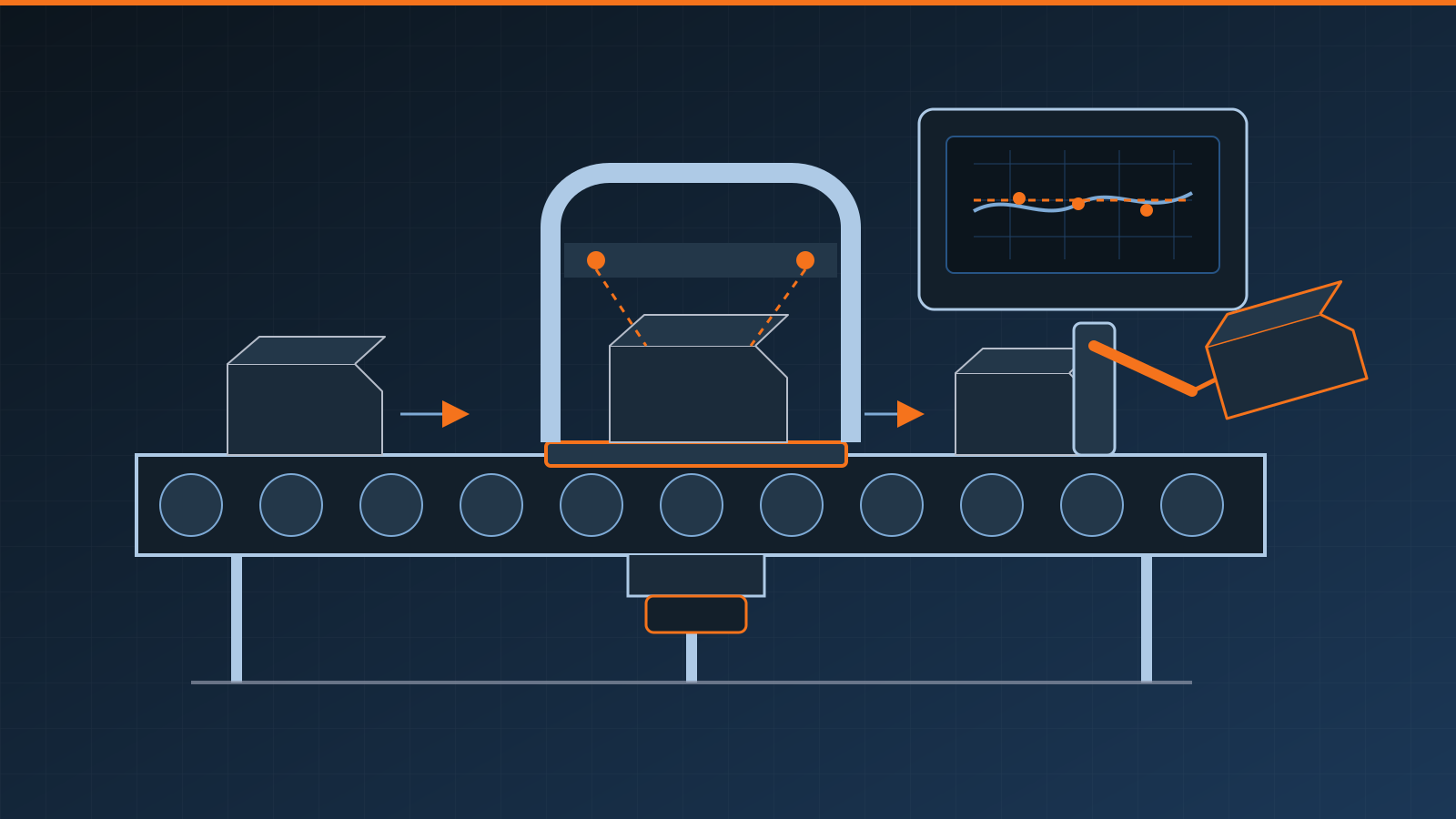
Checkweigher Accuracy: Testing and Performance Guide
Learn what checkweigher accuracy means, what affects results, and how to build a practical test plan with process-based acceptance criteria and reject checks.