Livestock Scale Guide: Types, Handling and Selection
Learn how livestock scales work, compare platform, alley, crate and portable designs, and plan safer animal handling, installation, weighing and maintenance.
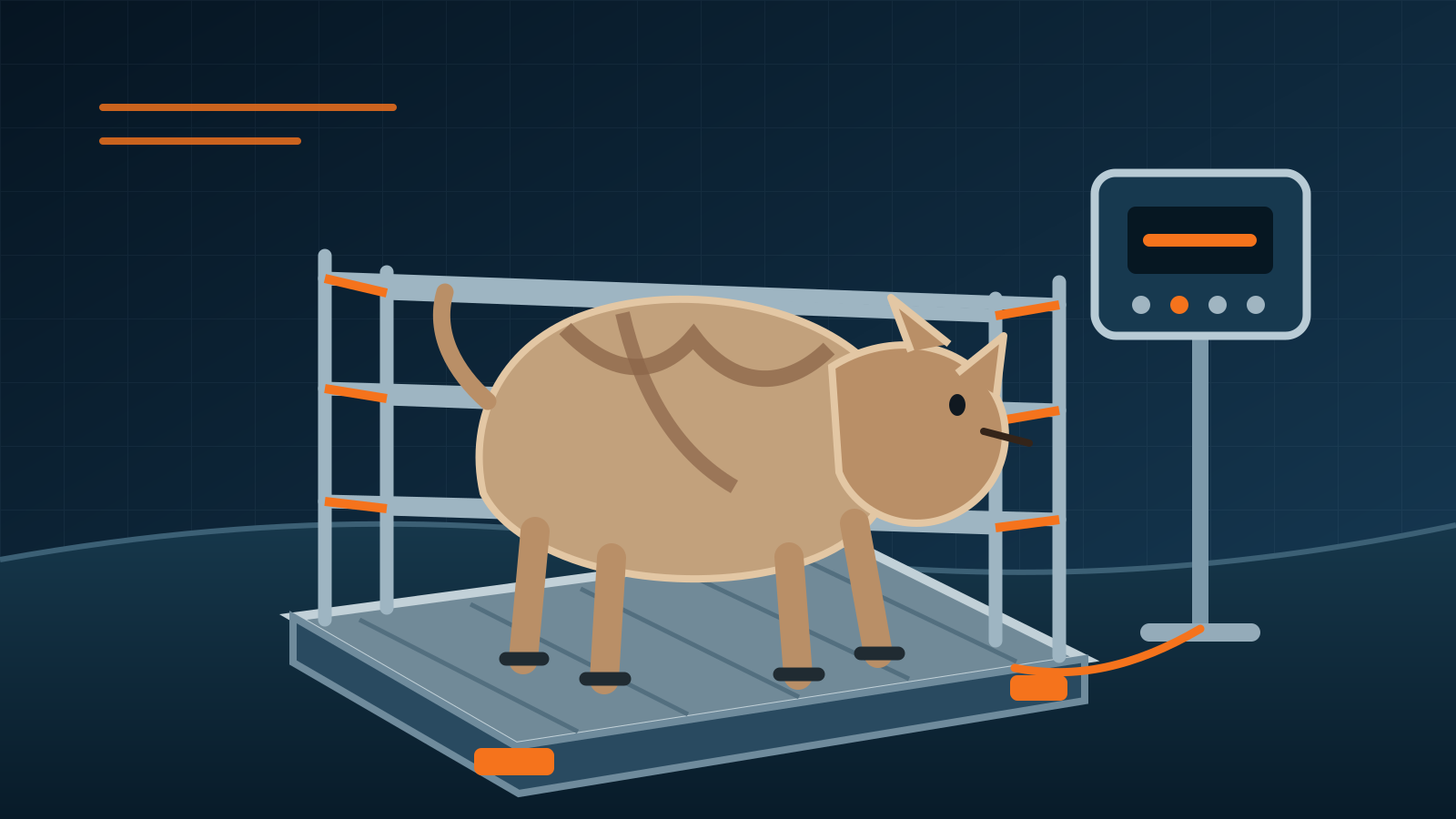
A livestock scale weighs cattle, sheep, goats, swine or other animals on a platform, in an alley or within a crate or chute. A suitable system combines adequate capacity and animal-compatible containment with a stable foundation, protected load cells and an indicator designed to manage motion. Safe, low-stress handling is fundamental: no scale feature replaces trained stock handlers, species-appropriate facilities, veterinary guidance or site procedures.
Key takeaways
- Select the scale around species, animal size, group or individual weighing, and the existing movement path.
- The animal must be fully supported without touching gates, walls, handlers or adjacent structures during the reading.
- Motion filtering can help stabilize a display but cannot correct poor installation or handling.
- Flooring, footing, gate placement, noise and visual distractions affect welfare, flow and measurement quality.
- Portable systems require a repeatable setup on firm, level support and checks after relocation.
- There is no universal handling method, calibration interval or facility layout; follow qualified advice and applicable local requirements.
How a livestock scale works
Most livestock weighing systems use a platform or crate supported by load cells. The indicator combines their signals and applies processing intended to produce a usable result even when an animal shifts its weight. Some systems can store animal identifiers, calculate weight change or transfer records to herd-management software.
The structure must transfer only the intended load to the sensors. A gate leaning against a fixed post, mud packed around a platform, a cable pulled tight or a handler resting on the enclosure can create an alternate load path. The display may still appear stable while the result is biased. Keep a clear physical gap around live components and inspect the whole installation, not just the indicator.
Animals rarely stand as still as packaged goods. A good workflow allows the animal to enter calmly, become fully supported, remain contained for only the necessary time and exit without abrupt pressure. The appropriate method depends on species, temperament, facility, weather, operator competence and animal condition.
Livestock scale types compared
| Type | Typical use | Main planning concern |
|---|---|---|
| Open platform animal scale | Smaller or trained animals in a controlled area | Prevent stepping off while avoiding stressful restraint |
| Alley or walk-over platform | Individual weighing within an existing movement lane | Gate contact, footing, lane width and straight flow |
| Crate or chute scale | Contained individual livestock | Integration with safe gates, sides and handling equipment |
| Portable livestock scale | Rotational grazing, temporary yards or multiple sites | Stable setup, transport protection and post-move checks |
| Group scale | Several animals weighed together where the process allows | Platform area, total loading and controlled entry and exit |
A cattle scale is usually an alley, platform or squeeze-chute system sized and built for cattle handling. The broader term animal scale also includes equipment for smaller farm animals, veterinary use and other species. Names vary among suppliers; compare construction, containment and intended species rather than relying on the label.
Platform and alley scales
A platform can be installed in an alley so animals cross it as part of routine movement. This reduces detours, but the platform must fit the lane without creating a trip point, sharp edge or visible obstacle that interrupts flow. Side structures and gates should contain the animal without touching the active weighing assembly.
Some operations weigh while the animal pauses; others use system-specific dynamic or walk-over functions. Do not assume that a static platform supports accurate in-motion weighing. Follow the manufacturer’s stated operating method and validate the workflow under local conditions before using results for important decisions.
Crate and chute scales
A crate or chute scale integrates weighing with containment. It may be a complete weighing crate or load-cell mounts installed beneath compatible handling equipment. The design can reduce movement and keep the animal centered, but only if gates, latches, squeeze mechanisms and adjacent rails operate without transferring force outside the weighing structure.
Retrofitting load cells beneath an existing chute requires engineering and supplier review. The supports, restraints, load distribution, available movement and cable protection must suit the conversion. Never improvise structural changes or enter a livestock handling zone without the site’s controls and competent assistance.
Portable livestock scales
A portable livestock scale helps when herds rotate among locations or permanent infrastructure is impractical. Frames may be transported as an assembled unit or in sections. Portability should include designed lifting or towing arrangements, sensor protection, secure connectors and a documented setup process.
At each location, prepare firm, level support and confirm that the frame does not rock or twist. Keep cables away from hooves, wheels and chewing. After assembly or relocation, inspect clearances, zero behavior and repeatability using approved checks before weighing animals. A general-purpose floor scale may weigh crates or supplies, but it should not be treated as a livestock scale unless its platform, containment, surface and installation are suitable for animals.
Animal welfare and operator safety
Livestock behavior is influenced by prior handling, social grouping, light, contrast, noise, surface condition, weather and unfamiliar equipment. Review the weighing area with people competent in the species and facility. Local animal-welfare rules, veterinary advice and farm procedures may impose additional requirements.
Practical design questions include:
- Is footing secure in expected wet, muddy or dusty conditions?
- Are sharp edges, pinch points, projections and trapping gaps controlled?
- Do gates operate smoothly without striking the weighing structure?
- Can animals see an appropriate exit without hazardous glare or distraction?
- Can handlers work from protected positions with a planned escape route?
- Can a distressed, fallen or non-ambulatory animal be managed under an approved response plan?
- Are crowding, group separation and waiting times addressed by the handling plan?
Do not chase a stable reading by applying excessive pressure or prolonging restraint. If an animal is distressed or the situation becomes unsafe, follow the facility’s stop and recovery procedure. Weighing priorities do not override welfare or personnel safety.
Capacity, dimensions and surface
Specify the heaviest credible individual or group load, including any gates, crate, bedding or equipment supported by the load cells. Capacity should account for uneven animal position and the way force enters the structure. Ask the supplier to assess the complete assembly rather than selecting sensors from average animal weight.
Platform length and width should suit the species and handling system while discouraging unsafe turning or stepping off. More space is not always better, and a narrow design is not always calmer; the appropriate geometry depends on the animal and facility. Obtain species-specific input.
The walking surface needs dependable traction and must remain cleanable without interfering with platform movement. Mats or added flooring change dead load, drainage, clearance and cleaning access, so use only arrangements approved for the system. Observe how manure, bedding, ice and mud could bridge the scale or conceal damage.
Indicator and data needs
Locate the indicator where handlers can operate it from a safe position and where weather, dust, washdown and animal contact will not damage it. Useful functions may include motion filtering, animal ID entry, drafting outputs, session totals and data export. Confirm compatibility with tags, readers and herd software through an actual workflow review.
Define how staff will correct an identifier, reject a doubtful reading and handle connectivity loss. Weight trends can support management decisions, but interpretation belongs with the farm’s qualified advisers and should account for measurement conditions and animal context.
Livestock scale selection checklist
- Species, size range, temperament and individual or group use defined
- Existing alleys, crates, gates and animal flow reviewed by competent people
- Maximum supported load and structural integration assessed
- Platform dimensions, footing, drainage and cleaning method confirmed
- Load cells, cables, indicator and connectors protected from the environment
- Fixed or portable installation and relocation process documented
- Safe handler positions, gates, escape routes and emergency plan established
- Animal ID, records, connectivity and exception handling tested
- Inspection, cleaning, service and calibration responsibilities assigned
- Applicable welfare, workplace, quality and trade requirements checked
Calibration and routine checks should be risk-based. Relocation, impact, structural work, damaged cables, flooding or unusual readings may justify assessment before the next planned interval. The principles in scale verification help distinguish a documented pass/fail decision from adjustment or calibration.
A successful livestock weighing installation is not just a platform with enough capacity. It is a coordinated handling point that respects animal behavior, protects people, keeps the load path free and produces records fit for their intended use.
Frequently asked questions
What is a livestock scale?
A livestock scale is a weighing system designed to support and contain an animal while capturing its weight. It may be a platform within an alley, a crate or chute with integrated load cells, a portable unit or a smaller species-specific animal scale.
How do livestock scales weigh moving animals?
The indicator samples changing load-cell signals and may use filtering intended for animal motion to produce a stable result. Filtering cannot compensate for contact with gates, walls or handlers, poor installation or unsafe restraint, so good facility design and calm handling remain essential.
Are portable livestock scales accurate?
A portable system can provide useful results when it is designed for relocation, set on firm and level support, assembled correctly, kept clear of binding and checked after setup. Performance depends on the model, installation, handling conditions and required use; portability alone does not determine accuracy.
How often should a livestock scale be calibrated?
There is no universal interval. Base checks and calibration on manufacturer guidance, relocation, loading severity, environment, performance history, the consequence of error and any applicable quality or legal requirements. Investigate the scale after impact, repair, flooding or abnormal readings.
Related guides
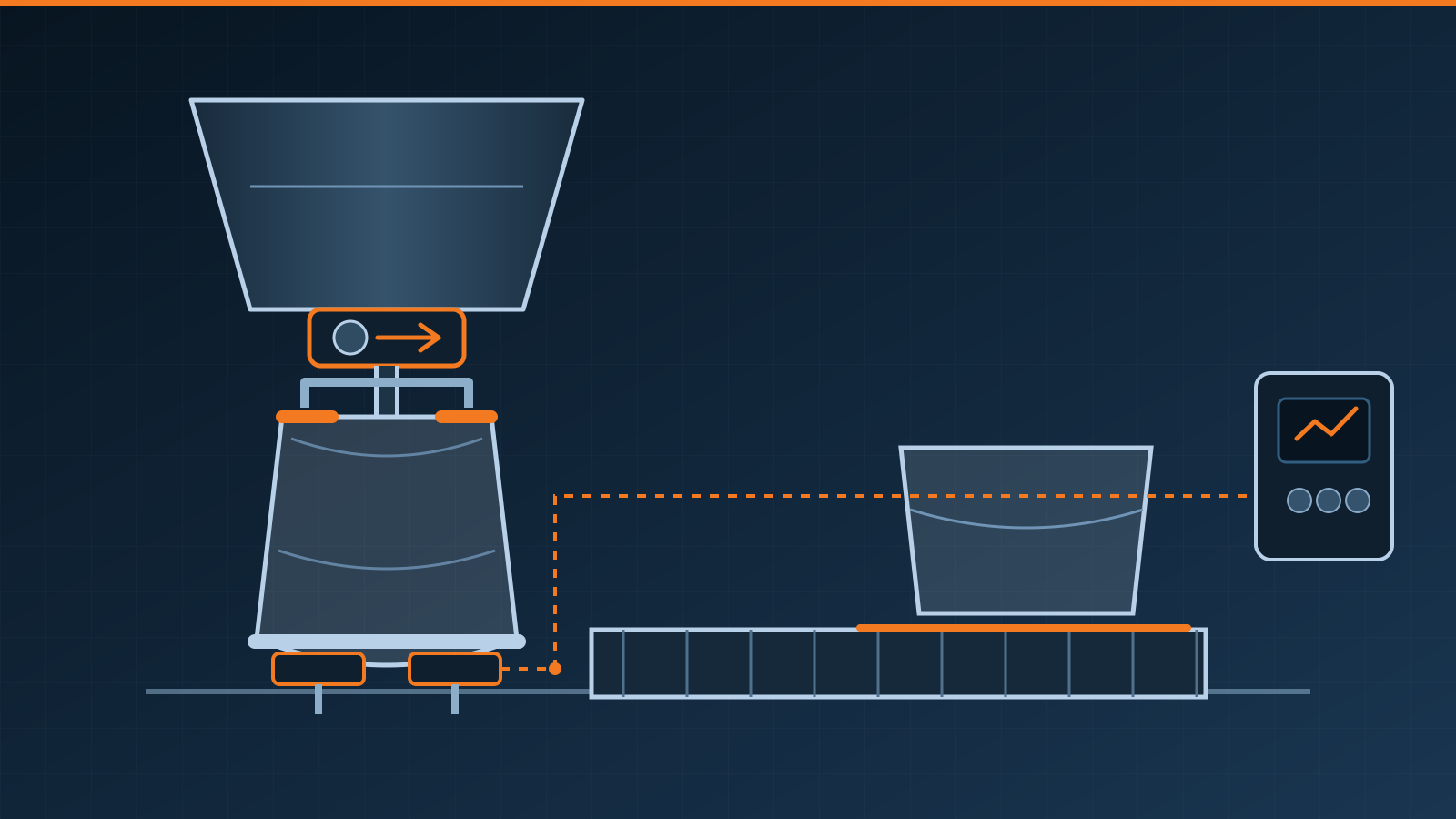
Bagging Scale: Selection and Integration Guide
Learn how a bagging scale weighs and fills bags, how major system types differ, and what to specify for safe, reliable packaging-line integration needs.
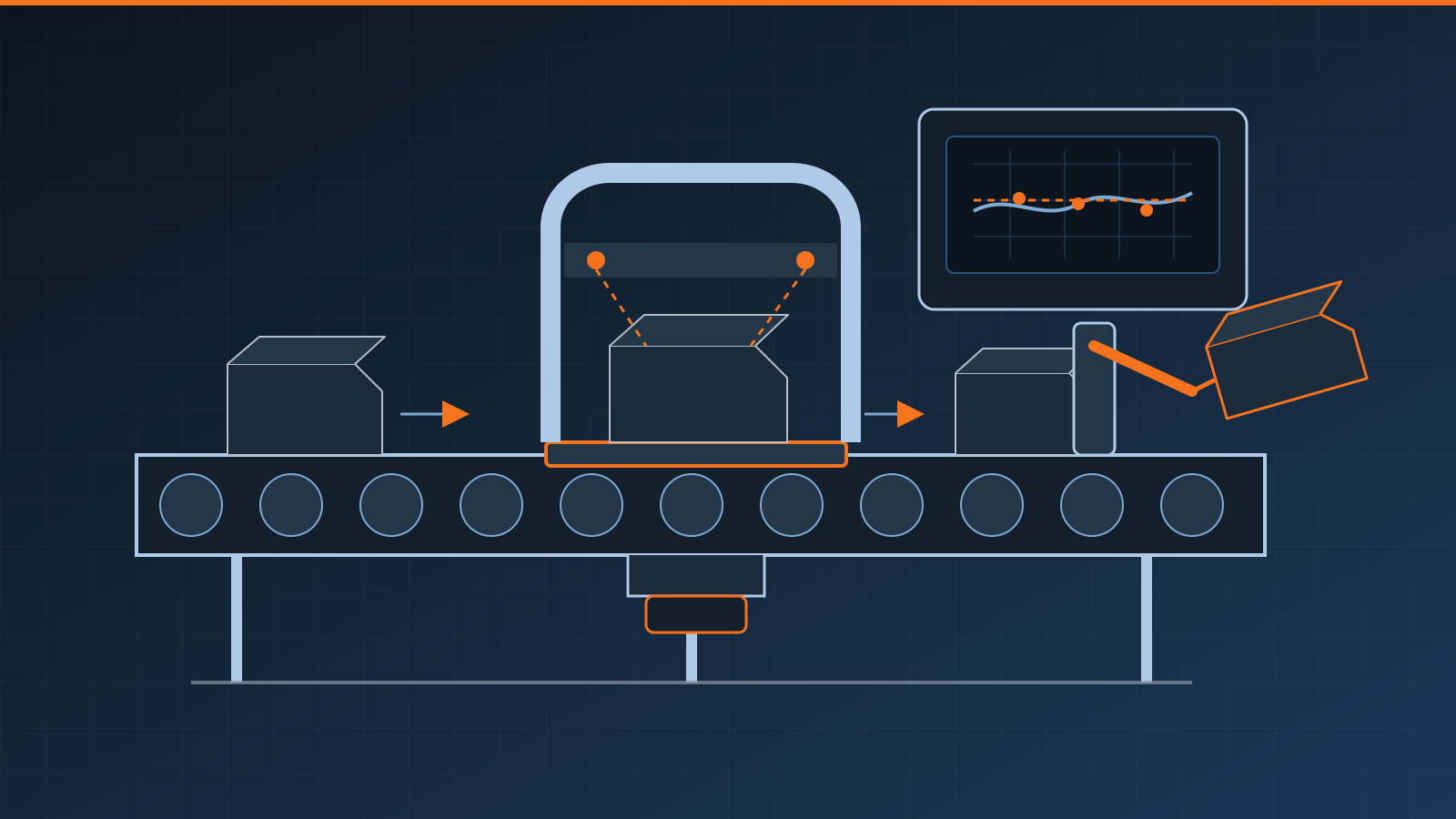
Checkweigher Accuracy: Testing and Performance Guide
Learn what checkweigher accuracy means, what affects results, and how to build a practical test plan with process-based acceptance criteria and reject checks.
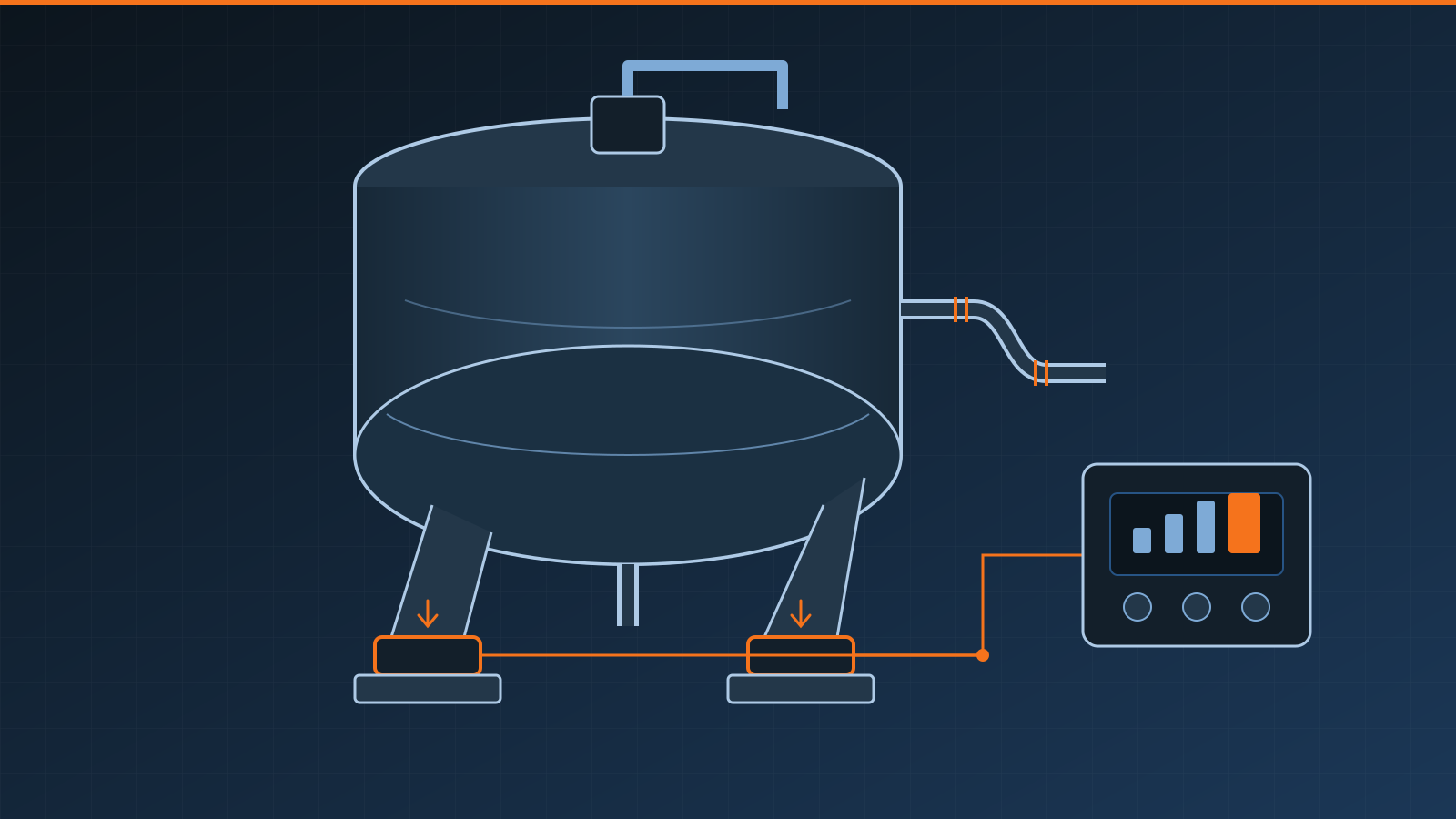
Tank Weighing System: Components, Installation, and Selection
Learn how a tank weighing system works, which components it needs, how piping and agitation affect readings, and how to plan installation and calibration.