Checkweigher Accuracy: Testing and Performance Guide
Learn what checkweigher accuracy means, what affects results, and how to build a practical test plan with process-based acceptance criteria and reject checks.
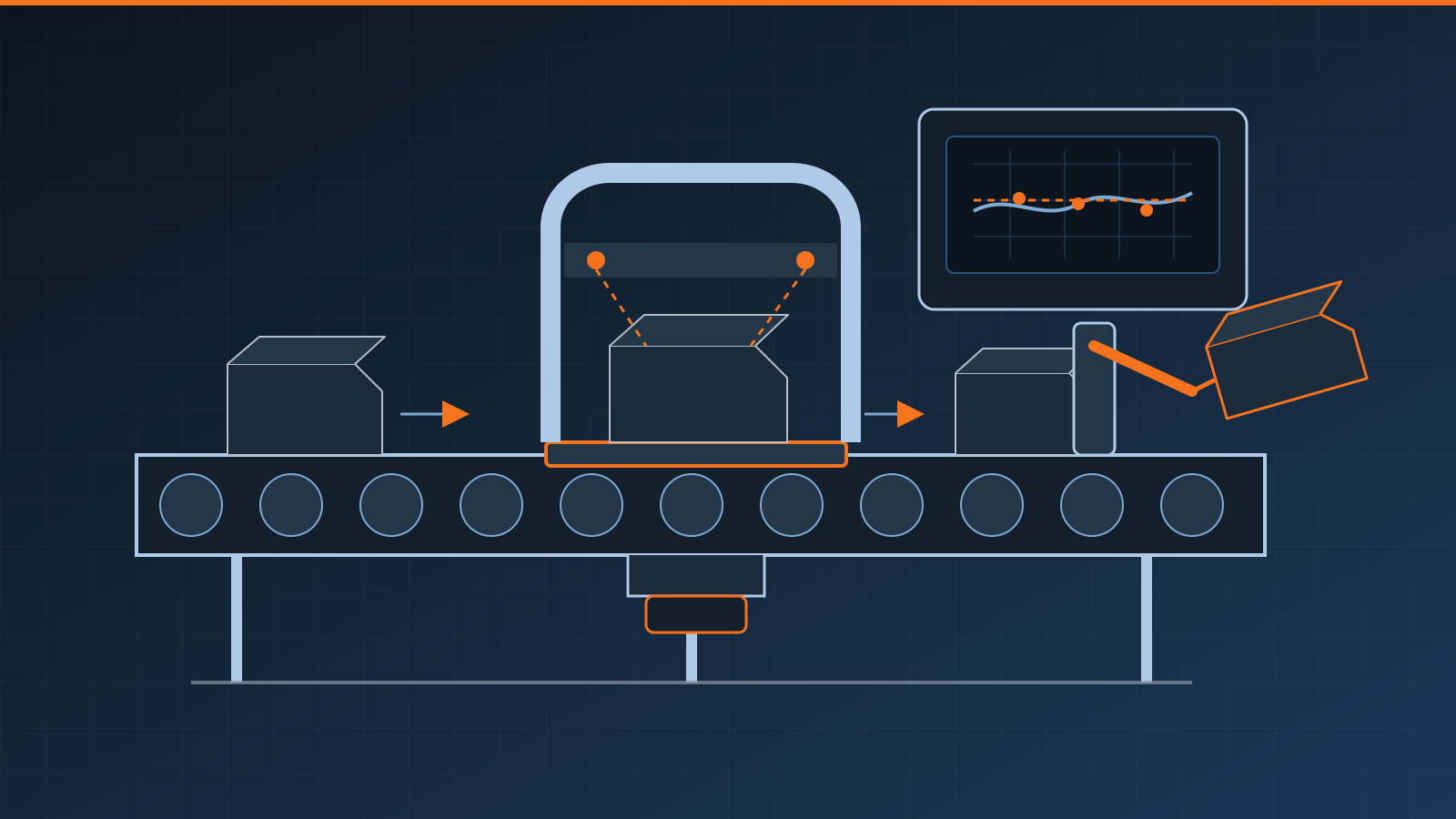
Checkweigher accuracy is the degree to which an installed checkweigher’s result agrees with an accepted reference value under defined operating conditions. It cannot be reduced to one universal tolerance. Product behavior, package geometry, conveyor dynamics, line speed, vibration, environment, software settings, and the reject system all influence whether the line makes the correct decision. A defensible specification therefore defines the product, operating envelope, test method, and acceptance criteria—not just a headline accuracy claim.
Key takeaways
- Accuracy, repeatability, resolution, and correct rejection describe different aspects of checkweigher performance.
- Test the complete installed line with representative products at relevant speeds and process conditions.
- Stable product transfer, spacing, orientation, and vibration control can matter as much as the weighing sensor.
- Software filtering may stabilize a result but can also hide short events or use the wrong product recipe.
- Verify both the weight classification and the physical reject, including pack tracking and reject confirmation where fitted.
- Set acceptance limits and test intervals from process risk, contracts, manufacturer instructions, quality procedures, and applicable regulations.
Accuracy, repeatability, and precision are not interchangeable
These terms should be defined in a purchase specification or validation protocol before comparing equipment.
Accuracy concerns closeness to an accepted reference value. If repeated readings cluster together but remain offset from that value, the system may be repeatable without being accurate.
Repeatability concerns the spread of results when the same item is measured repeatedly under defined, substantially unchanged conditions. It helps reveal random variation but does not by itself detect consistent bias.
Precision is often used informally to mean fine resolution or low variation. Because suppliers and plant teams may use it differently, replace “high checkweigher precision” with measurable requirements: displayed increment, repeatability test, allowable error, classification performance, or another clearly defined metric.
Resolution is only the smallest displayed or processed increment; it is not proof that the measurement is accurate. Likewise, a calibration result at a stationary or controlled condition does not alone prove that moving packs will transfer, settle, weigh, classify, and reject correctly during production.
What affects checkweigher performance?
A checkweigher measures a discrete product while it travels across a weighing conveyor. The available measurement time is short, so anything that changes the force on the weigh section or corrupts pack tracking can affect the outcome.
| Factor | How it can affect results | Practical control |
|---|---|---|
| Product | Liquid slosh, loose contents, changing fill distribution, warm or cold product, and product settling can vary dynamic force. | Use representative test packs and define conditioning and orientation. |
| Package | Flexible bags, uneven bases, tall containers, overhanging film, and shifting closures can make contact or transfer inconsistent. | Control guides without letting them touch the pack on the weigh section. |
| Conveyor | Misalignment, belt joints, contamination, worn bearings, transfer gaps, and incorrect belt tension can disturb the load path. | Inspect transfers, tracking, belt condition, cleanliness, and mechanical freedom. |
| Speed and spacing | Higher speed reduces measurement time; close or irregular spacing can cause two products to interact or be tracked incorrectly. | Test the intended speed range, spacing rules, acceleration, and upstream metering. |
| Vibration | Nearby motors, frames, guards, floors, and adjacent conveyors can transmit forces to the weigh frame. | Identify vibration sources and verify isolation in actual line states. |
| Environment | Air movement, washdown residue, dust, moisture, temperature change, and electrical noise may alter stability or reliability. | Test after relevant startup, cleaning, and environmental transitions. |
| Software | Wrong recipes, filters, timing windows, tare logic, thresholds, or unauthorized changes can misclassify products. | Control access, versions, recipe selection, audit records, and backups. |
| Reject mechanism | Delayed timing, low air pressure, worn actuators, full bins, or failed confirmation can leave a nonconforming pack in the good stream. | Challenge rejection and pack tracking, not only the displayed weight. |
An intermittent error may only appear when another machine starts, a product arrives off-center, or line spacing deteriorates. Testing in an artificially quiet state can therefore overstate real performance.
Build a representative checkweigher test plan
Start with the decision the system supports: fill control, giveaway reduction, missing-component detection, label-weight control, regulatory compliance, or final release. That purpose determines which products, weight zones, failure modes, and records matter.
1. Define the operating envelope
List each product family and recipe, package dimensions and behavior, expected weight range, approved line speeds, spacing and orientation rules, environmental states, upstream/downstream interactions, and reject type. Identify regulated products or commercial uses and obtain the requirements that apply in the installation’s jurisdiction.
2. Establish suitable references
Assign reference values using a documented method with measurement uncertainty suitable for the acceptance decision. Protect test packs from product loss, moisture change, damage, or mix-ups, and identify them clearly. The general principles for selecting and controlling calibration test weights remain relevant to instrument service, but production test packs answer a different question: whether the dynamic line correctly handles the actual packaged product.
3. Run defined challenges
Use a documented sequence that includes representative products and the decision zones important to the process. Repeat passes, randomize or balance the order where appropriate, and include normal starts, stops, gaps, and line interactions if these are within intended operation. Capture the reference value, indicated result, recipe, speed, orientation, time, classification, reject command, and final pack destination.
Testing should separate at least three outcomes:
- measurement error: indicated result minus the accepted reference value;
- repeatability: variation among repeated results under the defined condition;
- classification and rejection: whether the software made the intended decision and the correct physical pack reached the proper destination.
Review individual results, systematic bias, spread, false accepts, false rejects, missing records, and pack-tracking errors. An average near zero can conceal unacceptable individual errors on both sides of the reference.
4. Set acceptance criteria before testing
Acceptance criteria should state the applicable products, operating conditions, reference method, allowable measurement behavior, classification limits, reject outcome, data requirements, invalid-test handling, and decision rule near a limit. They should also define who can approve deviations and what happens after failure.
Do not borrow a tolerance, test frequency, number of passes, or service interval from an unrelated line. Requirements may arise from process capability, net-content or other regulation, customer contracts, manufacturer documentation, hazard analysis, and the site’s quality system. Where legal metrology applies, confirm device approval, sealing, verification, and test requirements with the relevant authority and qualified provider.
Commissioning and routine verification checklist
- Identify products, recipes, line speeds, orientations, and spacing conditions in scope.
- Define accuracy, repeatability, classification, reject, and record acceptance criteria.
- Document reference values, uncertainty, test-pack identity, and condition controls.
- Inspect the weigh conveyor, transfers, guards, guides, belts, and surrounding structure.
- Check vibration, air movement, contamination, temperature, power, and communications.
- Confirm the authorized recipe, filters, thresholds, timing, tracking, and access controls.
- Run representative challenges and retain individual results rather than averages alone.
- Prove underweight, acceptable, and overweight routing where those classes are used.
- Confirm reject timing, reject-bin security, pack tracking, alarms, and fail states.
- Define response to failure: hold product, investigate, correct, retest, and assess affected production.
- Record as-found and as-left conditions after service or adjustment.
- Review trends and revise the verification plan when products, equipment, software, or risks change.
If results drift or become unstable, investigate mechanics, contamination, vibration, wiring, environment, recipe control, and product behavior before using calibration adjustment to mask the cause. The structured approach in load cell troubleshooting explains why mechanical and installation checks should precede electrical changes.
Checkweigher versus conveyor belt scale
A checkweigher weighs individual packaged items, assigns each to a weight class, and often triggers a reject. A conveyor belt scale measures continuous bulk material flow by combining belt loading and speed, then totalizes mass over time. Their accuracy questions, calibration methods, acceptance tests, and operational decisions are different; a belt-scale performance claim should not be transferred to a checkweigher specification.
Specifying support and service
For a new or underperforming line, provide prospective suppliers with actual products, package variants, throughput requirements, environmental conditions, required integrations, reject philosophy, and written acceptance criteria. Ask how the proposed test demonstrates performance in that operating envelope and what conditions invalidate results.
Inspection and calibration support should cover the assembled dynamic system, not only a sensor reading. For regulated or high-consequence decisions, this article is general guidance rather than a calibration procedure. Follow manufacturer instructions and consult a qualified weighing or calibration provider and the applicable authority. The objective is documented, repeatable process performance and reliable disposition of every challenged pack—not an unsupported universal accuracy number.
Frequently asked questions
How accurate is a checkweigher?
There is no universal accuracy figure for every checkweigher. Achievable performance depends on the product, package, conveyor, speed, environment, setup, test method, and applicable process or regulatory requirements. Evaluate the complete installed system under representative production conditions.
What is the difference between checkweigher accuracy and repeatability?
Accuracy describes agreement with an accepted reference value, while repeatability describes how closely repeated results agree under defined, unchanged conditions. A checkweigher can be repeatable yet consistently biased, so both characteristics need to be evaluated.
How should a checkweigher be tested?
Use identified test packs with suitable reference values, challenge relevant product and speed conditions, repeat runs in a documented sequence, review errors and classifications, and confirm that the correct pack is rejected. The procedure and acceptance limits must come from the process, manufacturer instructions, quality system, and applicable regulations.
Does a checkweigher need calibration?
A checkweigher needs appropriate calibration and verification for its intended use, but the exact method and interval depend on the instrument, process risk, manufacturer guidance, quality system, jurisdiction, and performance history. Qualified service may be required for adjustment or regulated applications.
Related guides
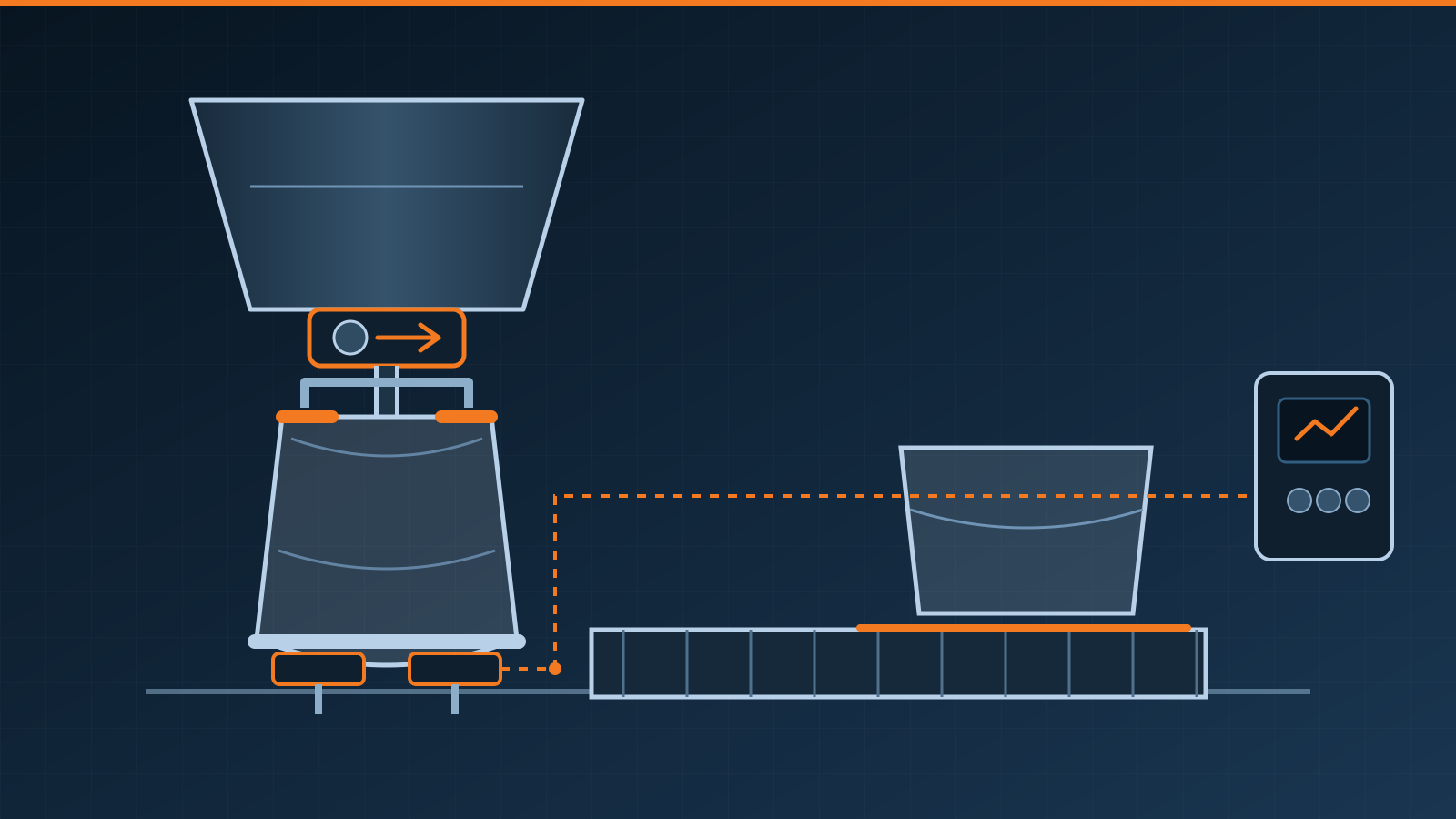
Bagging Scale: Selection and Integration Guide
Learn how a bagging scale weighs and fills bags, how major system types differ, and what to specify for safe, reliable packaging-line integration needs.
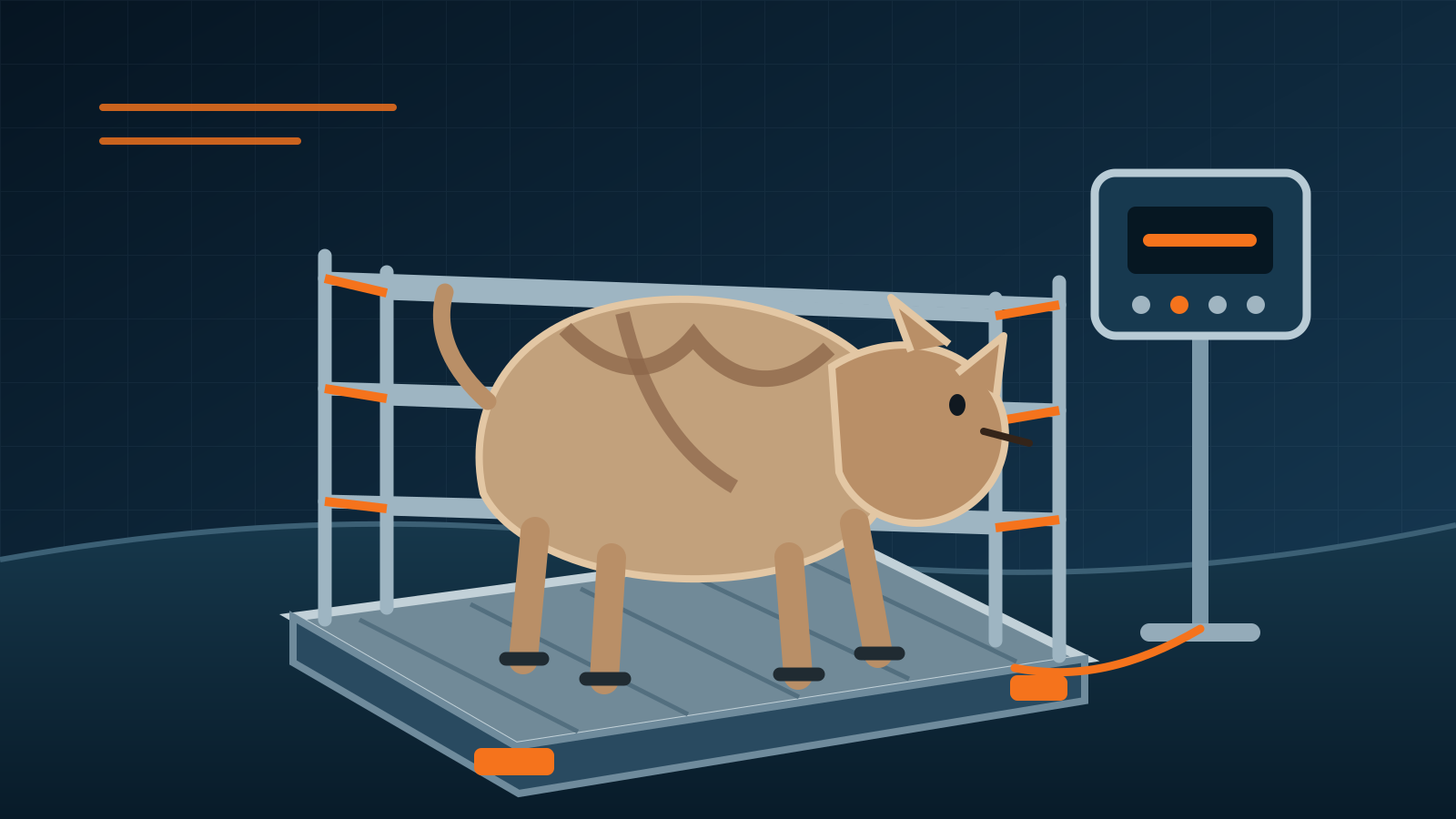
Livestock Scale Guide: Types, Handling and Selection
Learn how livestock scales work, compare platform, alley, crate and portable designs, and plan safer animal handling, installation, weighing and maintenance.
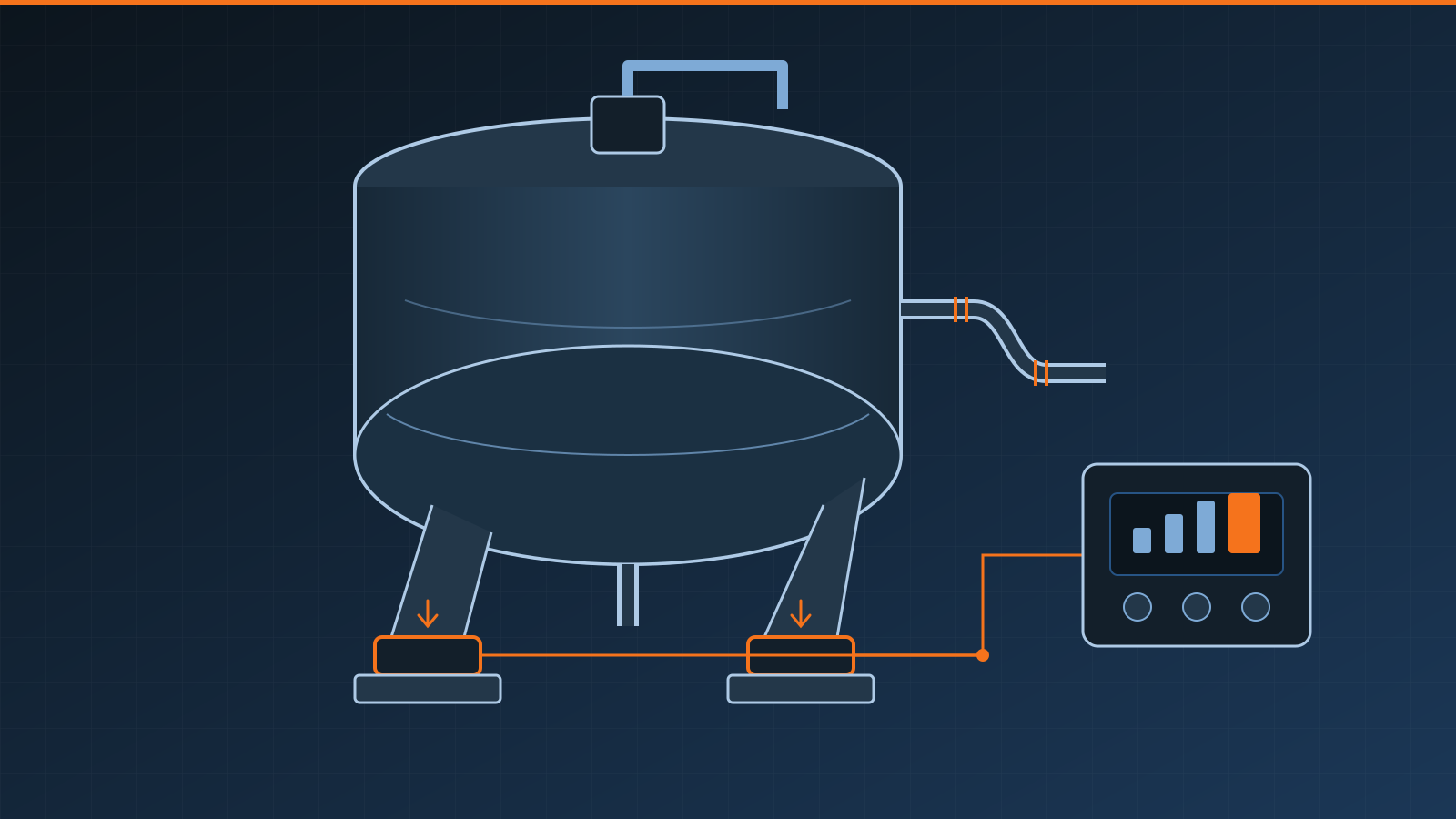
Tank Weighing System: Components, Installation, and Selection
Learn how a tank weighing system works, which components it needs, how piping and agitation affect readings, and how to plan installation and calibration.