Crane Scale vs Dynamometer: Key Differences and Use Cases
Crane scale vs dynamometer: both measure suspended force, but they are built for different jobs. Compare purpose, accuracy and use cases to choose the right tool.
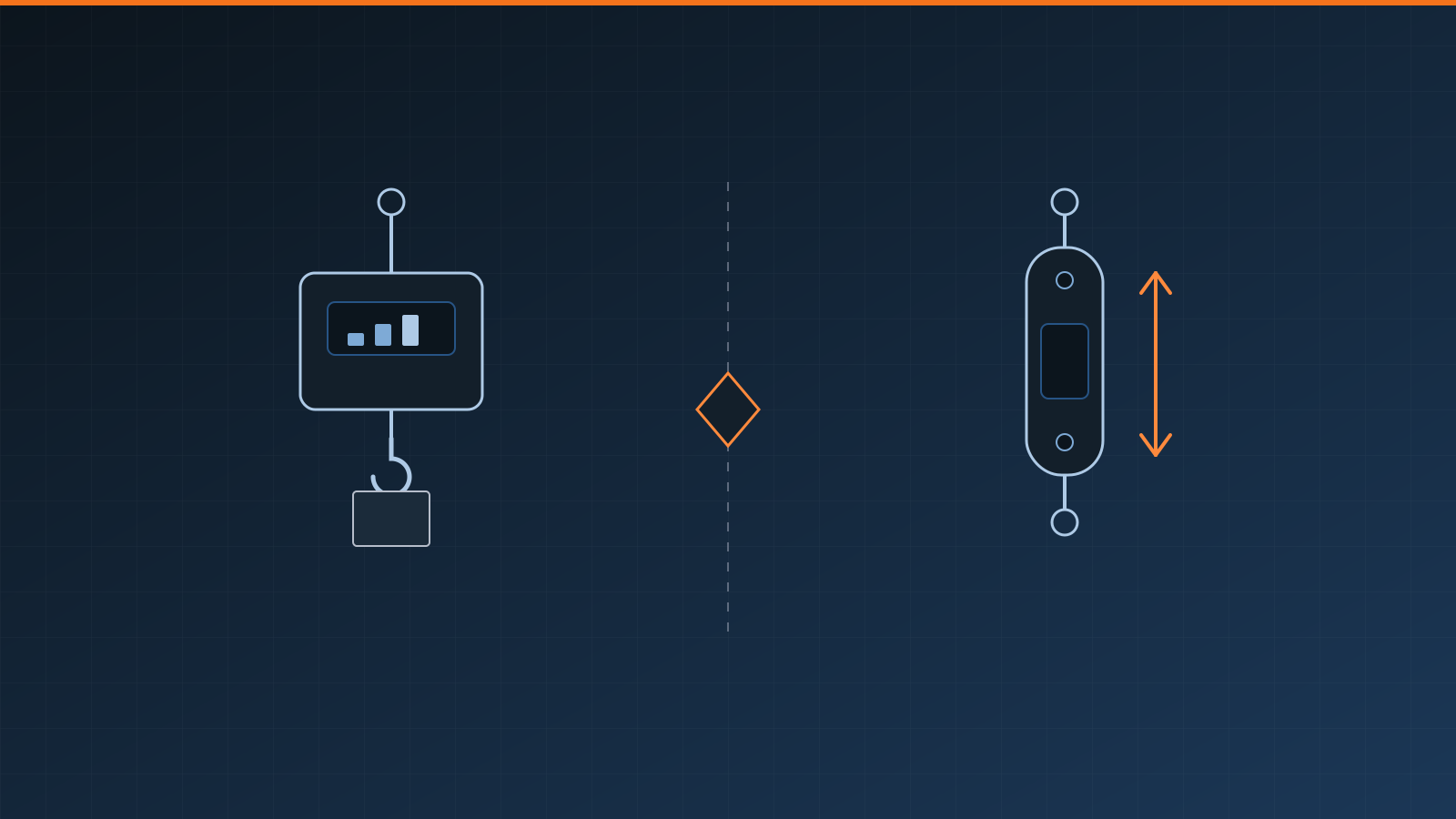
A crane scale and a dynamometer can look almost identical — both hang in a load path and measure force through a load cell — but they are optimised for different jobs. In short: a crane scale is built to tell you the weight of a suspended load for handling and trade, while a dynamometer is built to measure force or tension, often for testing, proof loading and rigging verification.
This guide compares the two, explains where they overlap, and helps you decide which is the right tool for a given task.
Key takeaways
- Both devices measure suspended force; the difference is intended purpose and features.
- A crane scale prioritises weight readout, often with legal-for-trade options.
- A dynamometer prioritises force/tension measurement, peak capture and load testing.
- Some units are sold as a crane scale dynamometer, combining both roles.
- Choose by the task: routine weighing versus proof loading, line tension and pull testing.
At a glance
| Aspect | Crane scale | Dynamometer |
|---|---|---|
| Primary purpose | Weigh suspended loads | Measure force / tension |
| Typical readout | Weight (kg, t, lb) | Force (kN, kgf) or weight |
| Common features | Tare, legal-for-trade options | Peak hold, overload testing, set-points |
| Typical users | Logistics, scrap, fabrication | Rigging, test labs, lifting engineers |
| Trade use | Often available type-approved | Rarely used for trade |
What a crane scale is for
A crane scale is essentially a weighing instrument that happens to hang from a hook. Its job is to report how much a suspended load weighs so the load can be sorted, billed, batched or checked against a crane’s capacity. Many models can be type-approved for legal-for-trade use, which matters if goods change hands by weight. If you are new to the category, our overview of what a crane scale is and how it works covers the basics.
What a dynamometer is for
A dynamometer is a force-measuring instrument. In a lifting and rigging context it is used to:
- Proof-load lifting equipment, slings and structures to a specified test force.
- Measure line or sling tension during a lift or a pull.
- Verify load distribution across multiple lifting points.
- Capture peak force during dynamic events.
Because its purpose is measurement and testing rather than commerce, a dynamometer emphasises features like peak/transient capture, high resolution near the test force, and sometimes set-points or alarms — rather than legal-for-trade approval.
The key differences that matter
Purpose drives the features
The hardware is similar, but the firmware and accessories differ. A crane scale’s display, tare and unit options are tuned for weighing workflows. A dynamometer’s are tuned for capturing and holding a force value during a test.
Accuracy and where it is specified
A crane scale is specified for accuracy across its weighing range as an instrument. A dynamometer’s accuracy is often most relevant around the force values used for testing. Neither is automatically “more accurate” — it depends on the model and how each is specified and calibrated.
Calibration emphasis
Both need traceable calibration, but the reference and points of interest differ. A dynamometer used for proof loading is typically calibrated as a force instrument; a crane scale is calibrated as a weighing instrument. The general principles are the same — see our guide to crane scale calibration for the as-found/as-left process that applies to both.
Legal-for-trade
This is often the deciding factor. If you weigh goods for sale, you need a type-approved, verified crane scale. A dynamometer is generally not the right choice for trade.
When to choose which
Choose a crane scale when:
- You routinely need the weight of suspended loads.
- You may buy or sell by weight and need legal-for-trade capability.
- Your priority is fast, repeatable weight readings in handling.
Choose a dynamometer when:
- You proof-test lifting gear, slings or structures to a target force.
- You need to measure tension in a line or distribution across lifting points.
- You need reliable peak-force capture during dynamic loading.
Consider a combined “crane scale dynamometer” when:
- You do both: routine weighing and occasional load testing. Many manufacturers offer units that switch between a weighing mode and a force/peak mode, which can be cost-effective if neither use alone justifies a dedicated instrument — provided the combined unit still meets any trade-approval needs.
Overlap and shared safety rules
Whatever you choose, the device carries load overhead and behaves as a below-the-hook component. The same safety discipline applies to both: respect rated capacity, inspect rigging, keep people clear of suspended loads, and follow recognised lifting standards and a competent person’s instructions. Calibration and mechanical inspection should be planned for both types.
Frequently asked questions
Is a dynamometer the same as a crane scale? No, though they share technology. A dynamometer measures force/tension for testing; a crane scale measures the weight of suspended loads, often with trade approval.
Can a dynamometer be used as a crane scale? Sometimes for internal weight indication, but generally not for legal-for-trade weighing. Always check approval and accuracy for the specific use.
Which is more accurate? It depends on the model and how it is specified and calibrated, not on the category alone. Match the instrument’s specification to the tolerance your task actually requires.
What units do they display? Crane scales usually show weight (kg, t, lb). Dynamometers often show force (kN or kgf) and may also offer weight units, depending on the model.
Related guides
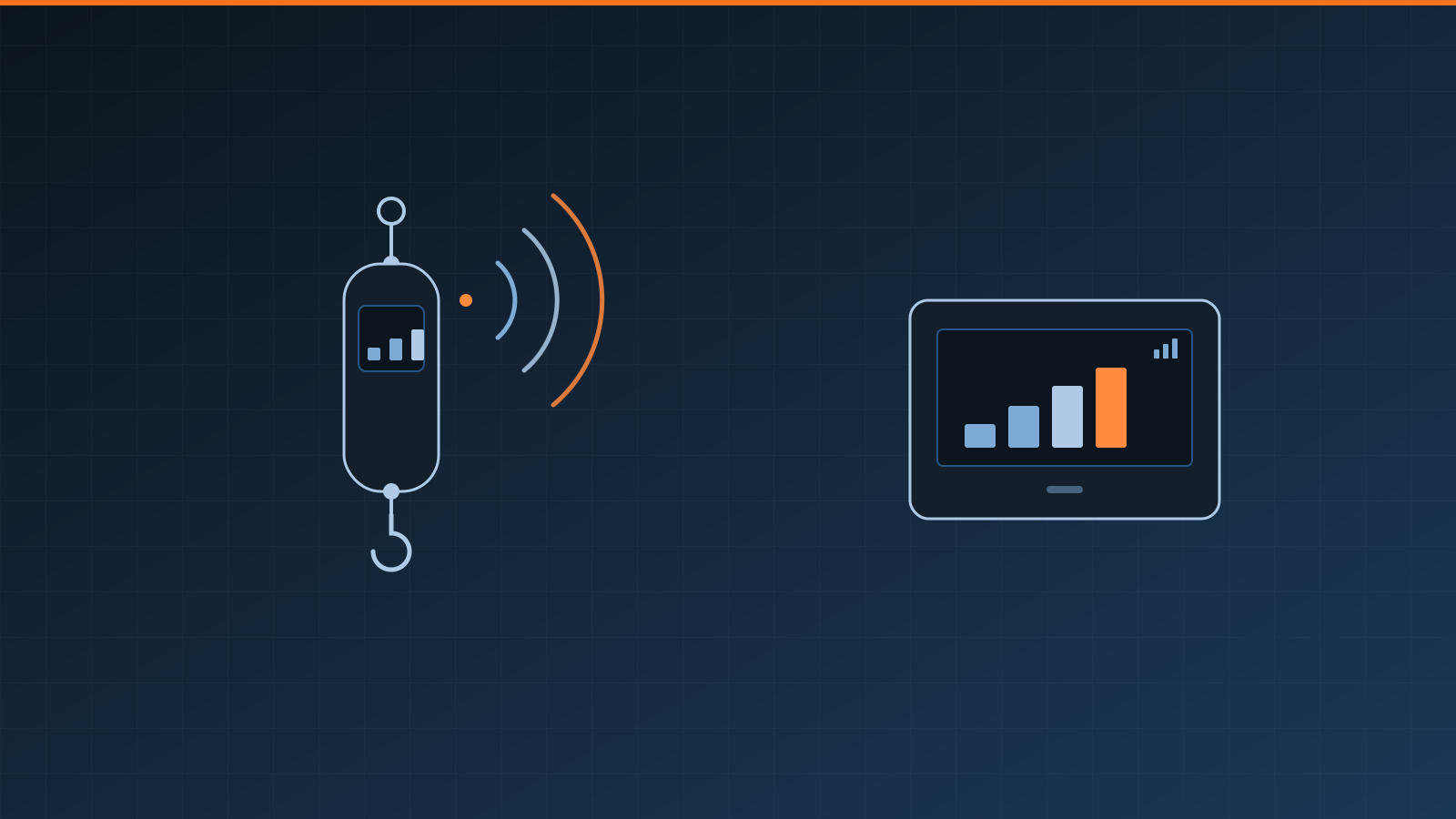
Wireless Dynamometers: Use Cases, Benefits and Limitations
What a wireless dynamometer is, how the wireless link works, where it helps, and the practical benefits and limitations to weigh before choosing one.
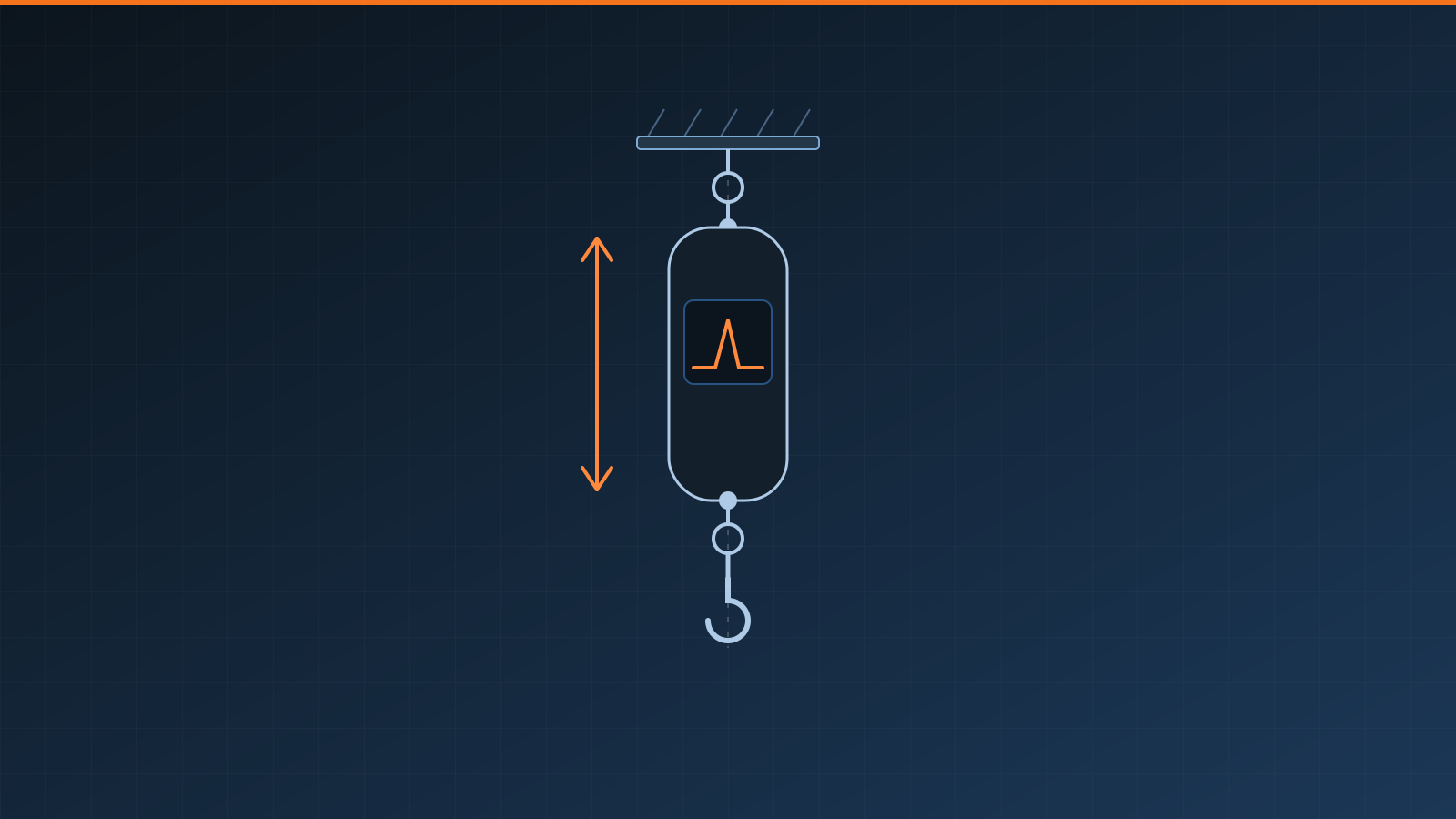
Crane Dynamometers Explained: Lifting, Load Testing and Industrial Uses
What a crane dynamometer is, how it works, and where it is used for lifting, proof loading and industrial force measurement — plus how to choose and use one safely.
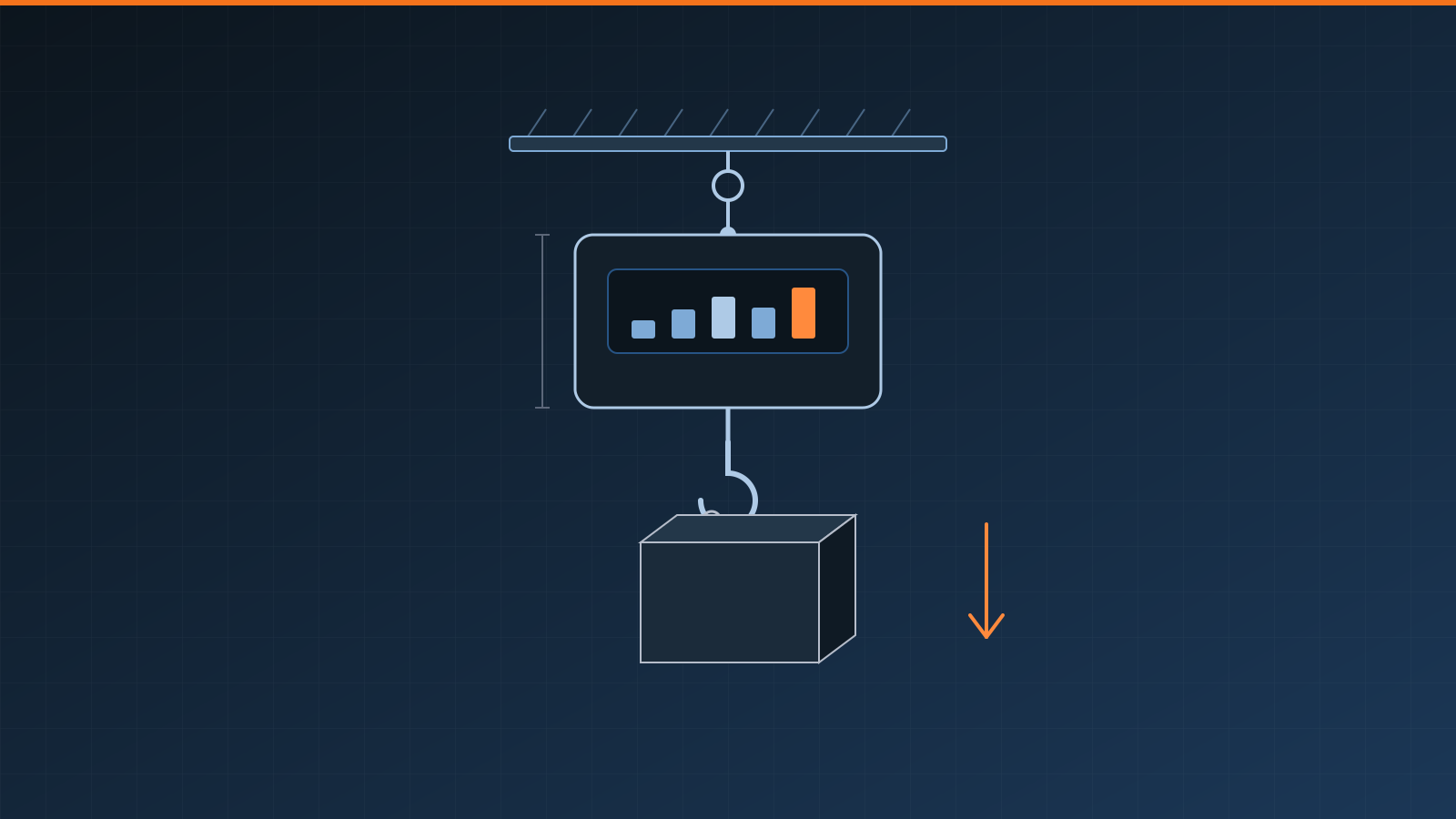
What Is a Crane Scale? Uses, Safety and Buying Criteria
A crane scale weighs suspended loads on a hoist or crane. Learn how crane scales work, where they are used, key safety points and what to check before buying.