Crane Dynamometers Explained: Lifting, Load Testing and Industrial Uses
What a crane dynamometer is, how it works, and where it is used for lifting, proof loading and industrial force measurement — plus how to choose and use one safely.
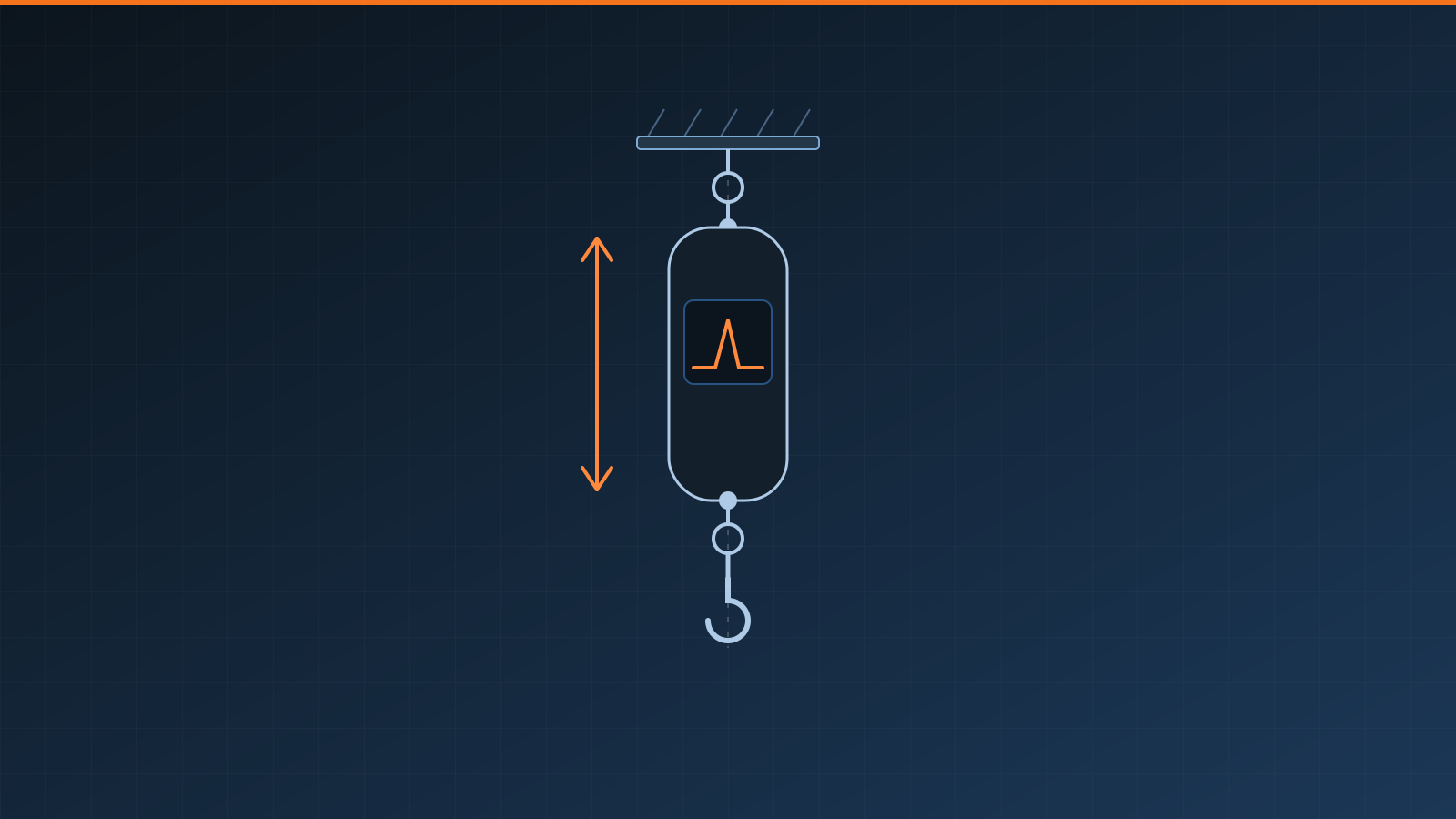
A crane dynamometer is a force-measuring instrument that hangs in a lifting line — between a crane hook and the load or anchor point — to measure the tension or force passing through it. While it shares its core technology with a crane scale, a dynamometer is designed first for measuring and testing force: proof loading lifting gear, checking line tension and capturing peak loads during a lift.
This guide explains how crane dynamometers work, the jobs they do in industry, and what to consider when selecting and using one.
Key takeaways
- A crane dynamometer measures force/tension in a suspended load path.
- It is built around a load cell and emphasises features like peak hold and overload testing.
- Common uses are proof loading, line-tension measurement and load distribution checks.
- Selection comes down to capacity, accuracy at the working force, environment and calibration.
- As a below-the-hook device, it must be used within recognised lifting-safety practice.
What a crane dynamometer is
In a lifting context, a dynamometer is the instrument you reach for when the question is “how much force is in this line?” rather than “what does this load weigh?”. The two questions often overlap — and the device that answers the second is a crane scale — but a dynamometer is tuned for force measurement and testing. For a side-by-side comparison, see crane scale vs dynamometer.
Physically, a crane dynamometer typically has a load-bearing body with a shackle or eye at each end, so it can sit in tension between two points: hook above, load or anchor below.
How it works
Inside the body is a load cell. As force is applied, the cell deflects by a microscopic amount, changing an electrical signal in proportion to the load. The electronics translate that signal into a force reading (often in kN or kgf) or, on many units, a weight value.
Key behaviours that distinguish a dynamometer in use:
- Peak/transient capture to record the highest force during a dynamic event.
- High resolution near the test force, where the measurement matters most.
- Overload indication and, on test-oriented units, set-points or alarms.
Industrial uses
Proof loading and load testing
Lifting equipment, slings, lifting beams, padeyes and structures often need to be proof-tested to a specified force before use or on a periodic schedule. A crane dynamometer applies and measures that test force so the result can be documented. The test target and acceptance criteria come from the applicable standard or the equipment manufacturer — not from a general article like this one.
Line and sling tension
When a load is shared across multiple slings or lifting points, a dynamometer measures the actual tension in each line. That helps confirm the load is balanced and that no single component is overloaded.
Capturing dynamic and peak forces
Snatch loads, acceleration and wind can push instantaneous forces well above the static weight. Peak-hold lets engineers see and record those transients, which is valuable in commissioning, rigging studies and failure investigation.
General industrial force measurement
Beyond lifting, dynamometers are used in pull testing, anchor testing, winch and bollard pull checks, and other situations where a tension force needs to be quantified and recorded.
Choosing a crane dynamometer
Capacity and margin
Size the dynamometer so your working and test forces sit comfortably within its range, with margin for dynamic peaks. As with any lifting component, never plan to operate at the very top of the rated capacity.
Accuracy where it counts
Check the accuracy specification at the forces you will actually measure, not just at full scale. For proof loading, accuracy around the test force is what matters.
Environment and construction
- IP rating for dust, water and washdown.
- Temperature range for the working environment.
- Hazardous-area certification where flammable atmospheres are possible.
- Robust shackles, overload protection and a clear display — ideally a wireless or remote readout so personnel can stand clear of the load.
Calibration and traceability
A dynamometer used for testing is only as trustworthy as its calibration. It should be calibrated as a force instrument against a traceable standard, with documented results. The as-found/as-left approach described in our crane scale calibration guide applies here too, with the emphasis on force rather than weight.
Using one safely
A crane dynamometer carries load overhead and is part of the lifting system, so the usual lifting discipline applies:
- Stay within rated capacity for both the instrument and its rigging.
- Inspect shackles, pins and the body before each use.
- Keep personnel clear of the load and the line under test — stored energy in a tensioned line can be dangerous.
- Follow recognised standards and a competent lifting person’s direction for any proof load or test.
These are general points; the controlling authority is the relevant standard, the equipment manufacturer and your site’s lifting plan.
Frequently asked questions
What is the difference between a crane dynamometer and a crane scale? A dynamometer is built to measure force/tension for testing and verification; a crane scale is built to weigh suspended loads, often with legal-for-trade approval. See our overview of what a crane scale is for the weighing side.
What units does a crane dynamometer use? Often kilonewtons (kN) or kilograms-force (kgf), and many can also display weight units. Choose based on how your test procedures express their limits.
Can a crane dynamometer weigh a load? Many can show an equivalent weight, but if you need the result for trade you generally need a type-approved crane scale instead.
How often should it be calibrated? It depends on use, accuracy needs and any regulatory requirements. Test-critical instruments are commonly calibrated at least annually, with the interval refined from calibration history and conditions.
Related guides
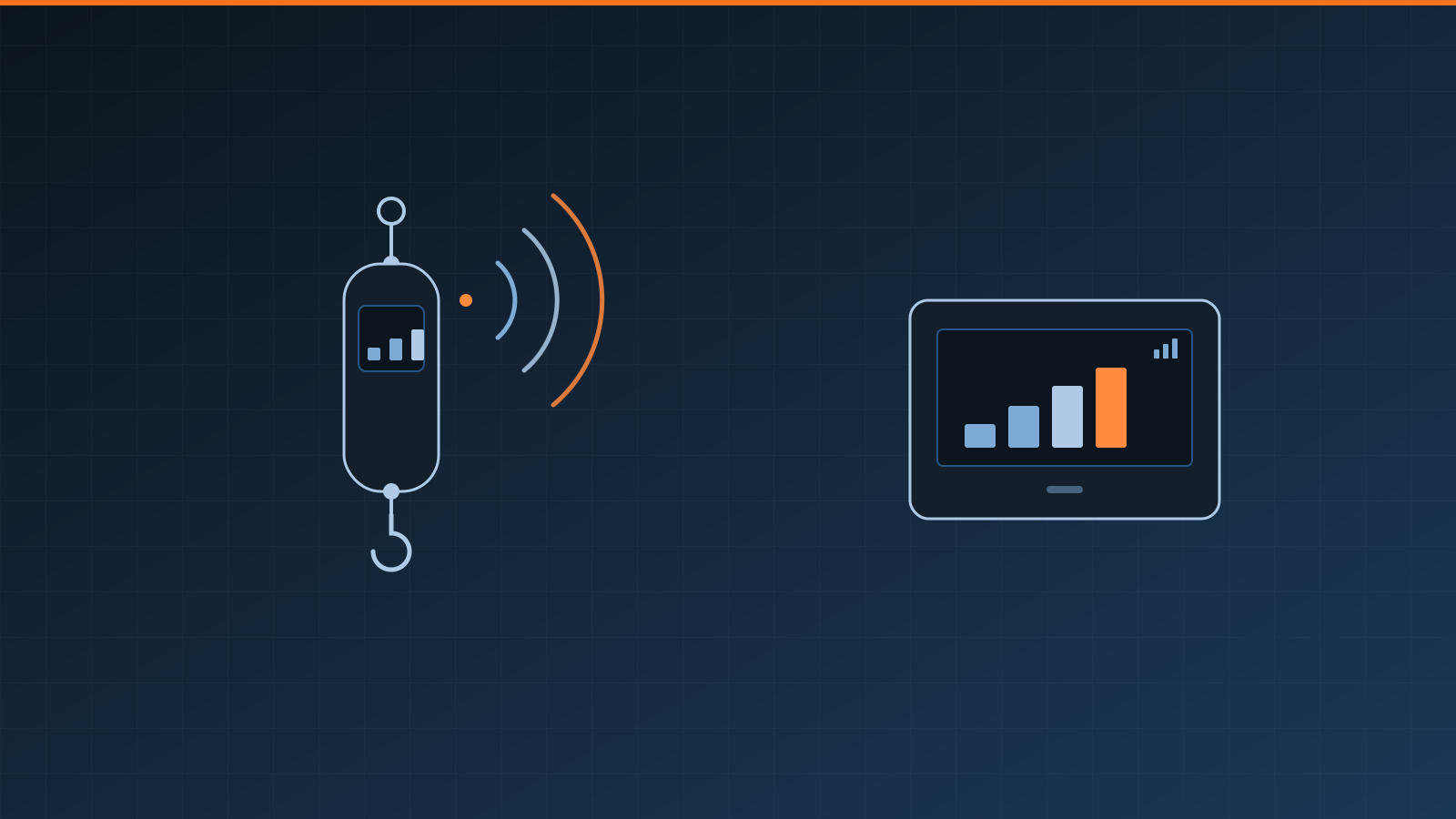
Wireless Dynamometers: Use Cases, Benefits and Limitations
What a wireless dynamometer is, how the wireless link works, where it helps, and the practical benefits and limitations to weigh before choosing one.
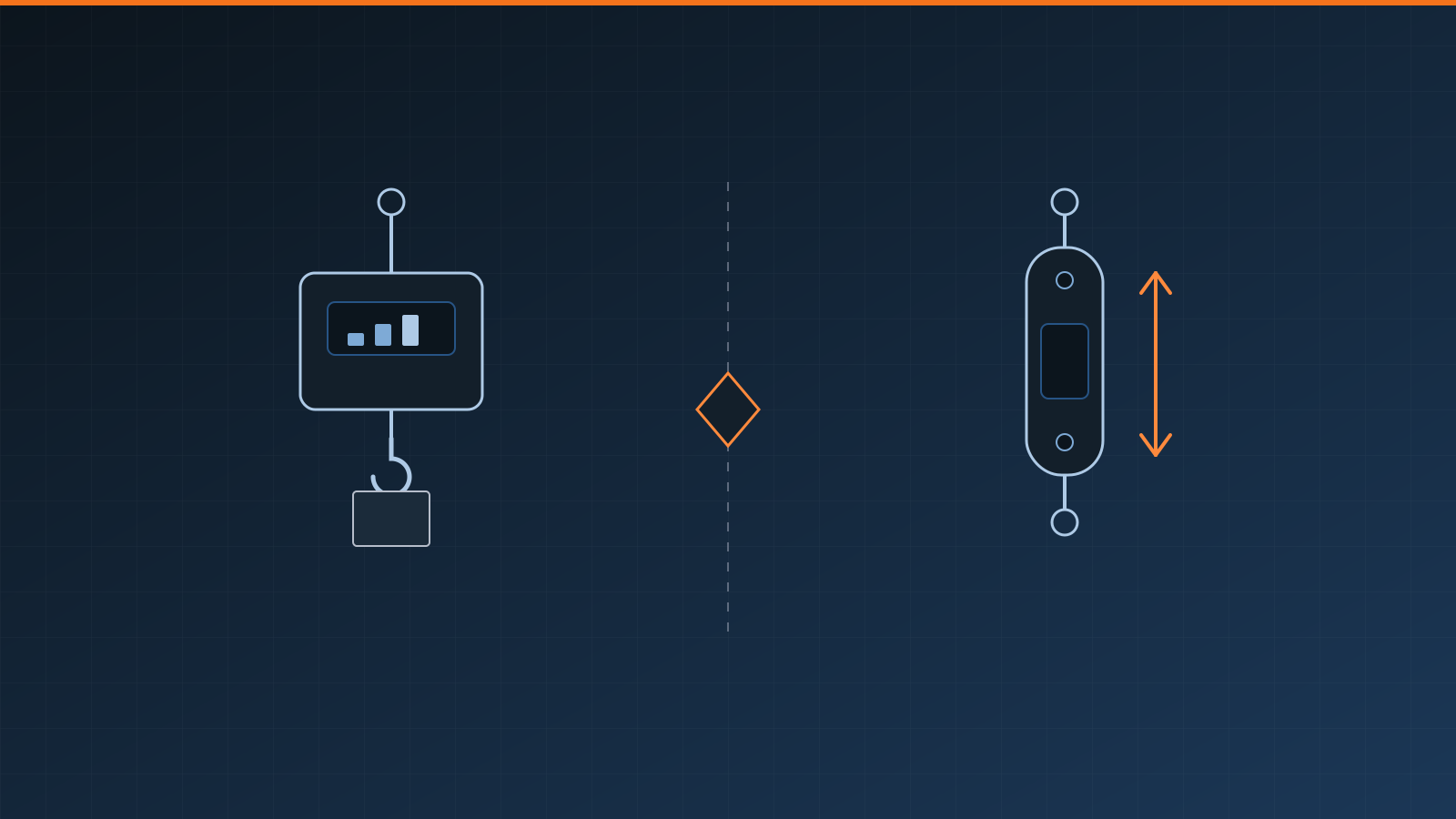
Crane Scale vs Dynamometer: Key Differences and Use Cases
Crane scale vs dynamometer: both measure suspended force, but they are built for different jobs. Compare purpose, accuracy and use cases to choose the right tool.
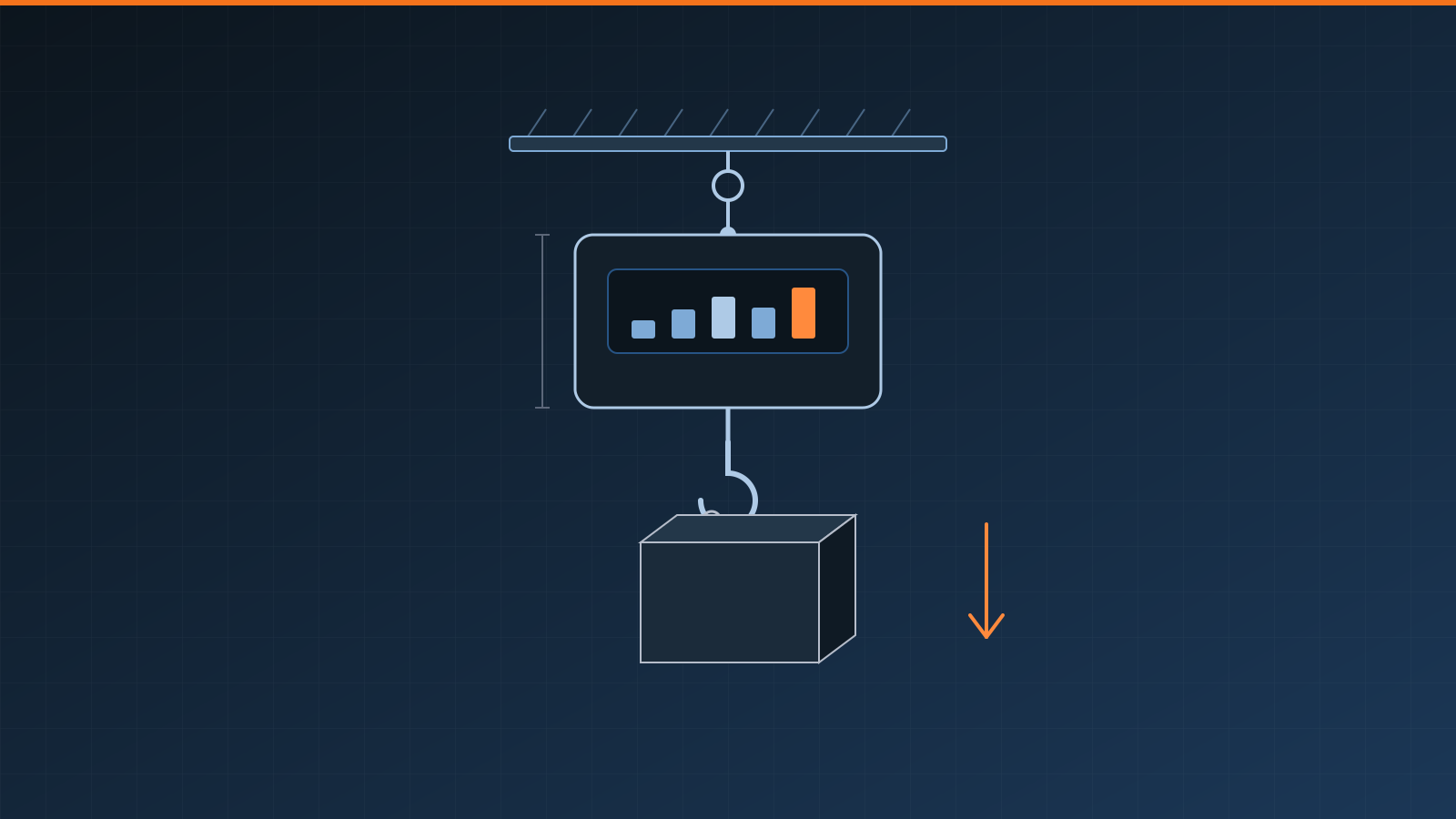
What Is a Crane Scale? Uses, Safety and Buying Criteria
A crane scale weighs suspended loads on a hoist or crane. Learn how crane scales work, where they are used, key safety points and what to check before buying.