Below-the-Hook Lifting Devices: Types and Safety Basics
What below-the-hook lifting devices are, the main types, and the safety basics for rating, inspecting and using them in industrial lifting operations.
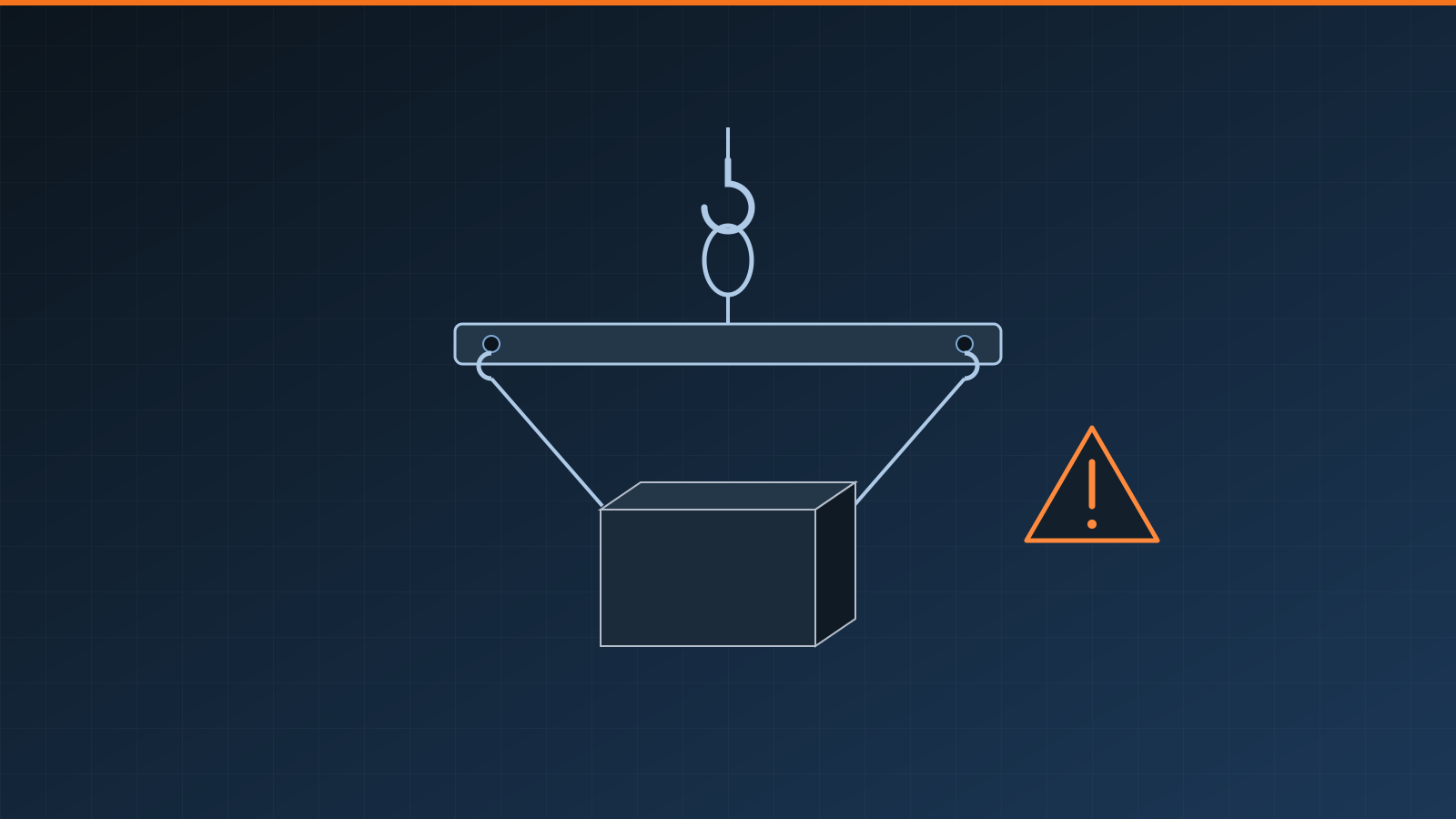
Below-the-hook lifting devices are the load-carrying attachments that hang beneath a crane or hoist hook and connect to the load itself — lifting beams, spreader bars, C-hooks, magnets, vacuum lifters and similar equipment. They sit between general rigging and the load, and because they carry the full weight overhead, they are treated as engineered lifting equipment with their own rating, marking and inspection requirements.
This guide explains what these devices are, the main types you will encounter, and the safety basics that keep them working reliably. It is general guidance, not a substitute for the manufacturer’s instructions, a competent person or the standards that apply where you operate.
Key takeaways
- A below-the-hook device carries the load beneath the hook and is engineered lifting equipment, not casual hardware.
- The main families are beams and spreaders, hooks and tongs, and magnet or vacuum lifters.
- Every device must show a rated load and be used within it, with margin for dynamic forces.
- Inspection (pre-use plus periodic) is separate from any accuracy or force checks.
- Selection follows the load: shape, weight, balance, headroom and how it will be attached.
What “below the hook” means
The phrase is literal: the device is everything below the hook that grips or supports the load, excluding the crane and hoist themselves. It overlaps with lifting operations covered in our dynamometer safety guide, because both deal with loads suspended overhead and the discipline that keeps people safe around them.
Because these devices are load-bearing and often custom to an application, they are usually designed, marked and documented as engineered products. In some jurisdictions they fall under recognised standards — for example, ASME B30.20 and the associated design standard BTH-1 in the United States. Which rules apply depends on your location and the work.
Main types
Lifting beams and spreader bars
- Lifting beams carry the load in bending from a single top lifting point, with one or more lower attachment points. They keep headroom low and suit loads that need support at set points.
- Spreader bars use slings angling out to two top points, carrying the bar mainly in compression. They are efficient for long, wide or flexible loads and reduce crushing forces on the load.
The choice affects sling angles, headroom and how the load is balanced.
Hooks, tongs and grabs
- C-hooks lift coils and rolls through the bore.
- Tongs and grabs grip the load by clamping — used for plates, blocks, drums and similar.
- Pallet lifters and fork attachments handle unit loads.
These rely on correct engagement and balance; a shifting or poorly gripped load is a common hazard.
Magnet and vacuum lifters
- Lifting magnets (permanent or electro) hold ferrous loads by magnetic force.
- Vacuum lifters hold smooth, non-porous loads by suction.
Both depend on surface condition, power or vacuum integrity and correct load ratings, and both need fail-safe thinking about what happens if power or vacuum is lost.
Rating and marking
Every below-the-hook device should carry a rated load and identifying information, and be used strictly within that rating. Two points matter in practice:
- Dynamic forces. Acceleration, snatch loading and off-level lifts push actual forces above the static weight. Rated loads account for design factors, but planning and smooth operation still matter.
- Configuration. For adjustable beams and spreaders, the rated load can change with the lifting-point positions. Use the device only in a configuration the manufacturer rates.
If markings are missing or illegible, take the device out of service until it is identified and assessed — guessing a capacity is never acceptable.
Inspection basics
Inspection confirms the device is fit to lift. The broader lifting equipment inspection guide explains how pre-use checks, periodic examinations and records serve different purposes. For a below-the-hook device, a sensible regime combines:
- Pre-use checks — look for cracks, deformation, wear, damaged welds, and that latches, pins and controls work.
- Periodic documented inspection by a competent person, at intervals set by service severity and any regulations.
- Removal from service on any doubt — bent members, elongated holes, damaged magnets or failing vacuum seals are stop signals.
For magnet and vacuum lifters, add checks of the holding force, controls and any battery back-up. These checks are about mechanical fitness and are distinct from the metrological calibration discussed in our crane dynamometer content — a device can be mechanically sound yet still need separate verification if it also measures load.
Choosing the right device
Match the device to the load and the lift:
- Load shape and weight — long, wide, flexible or awkward loads point toward spreaders or purpose-built beams.
- Attachment method — bore, clamp, magnet, vacuum or lifting points.
- Balance and centre of gravity — the device must keep the load level and controlled.
- Headroom — beams save height; spreaders need more.
- Environment — temperature, surface condition and hazardous areas can rule options in or out.
When in doubt, involve the manufacturer or a qualified lifting engineer. Custom or high-consequence lifts deserve an engineered solution, not an improvised one.
Working safely
The same overhead-lifting discipline applies as for any suspended load: plan the lift, keep people out from under and clear of the load path, respect the rating, and follow a competent person and the relevant standards. Treat the points above as general awareness and confirm specifics against the manufacturer’s documentation and your site’s safety and compliance procedures.
Conclusion
Below-the-hook lifting devices are engineered equipment that carries the load where it matters most — directly overhead. Knowing the main types, respecting the rated load, and keeping up pre-use and periodic inspection are the foundations of using them safely. The device does the lifting; your planning, rating discipline and inspection keep the operation under control.
Frequently asked questions
What counts as a below-the-hook lifting device?
It is any load-carrying device that hangs below the crane or hoist hook and attaches to the load — such as lifting beams, spreader bars, C-hooks, lifting magnets, vacuum lifters, tongs and specialised grabs. Slings and general rigging hardware are usually treated separately under rigging rather than below-the-hook rules, though they work together.
What is the difference between a lifting beam and a spreader bar?
A lifting beam carries the load in bending, usually with a single top attachment and lifting points beneath, keeping headroom low. A spreader bar carries the load mainly in compression, with slings angling out to two top points, and is efficient for long or wide loads. The right choice depends on load shape, headroom and sling angles.
How often should below-the-hook devices be inspected?
It depends on frequency of use, severity of service and any regulatory requirements. Typical regimes combine a quick check before each use with periodic documented inspections by a competent person. Follow the manufacturer's instructions and the standards that apply where you operate.
Do below-the-hook lifting devices need a rated capacity marking?
Yes. They should be marked with a rated load and identifying information, and used within that rating. If markings are missing or illegible, the device should be taken out of service until it is properly identified and assessed.
Related guides
Scale Verification: What It Means and How to Plan It
Learn what scale verification confirms, how it differs from calibration, adjustment and inspection, and how to plan defensible quality or trade checks.
Lifting Equipment Inspection: A Practical Guide
Learn how lifting equipment inspection works, what to check before use, when competent-person examination is needed, and which records to retain.
NTEP-Certified Scales: What Certification Means
Learn what NTEP certification means for a scale, what a Certificate of Conformance covers, and what US buyers must verify before installation and use.