Washdown Scale Guide: Materials, Protection and Selection
Learn how to select a washdown scale by reviewing materials, ingress protection, cleaning methods, drainage, installation, calibration, and service needs.
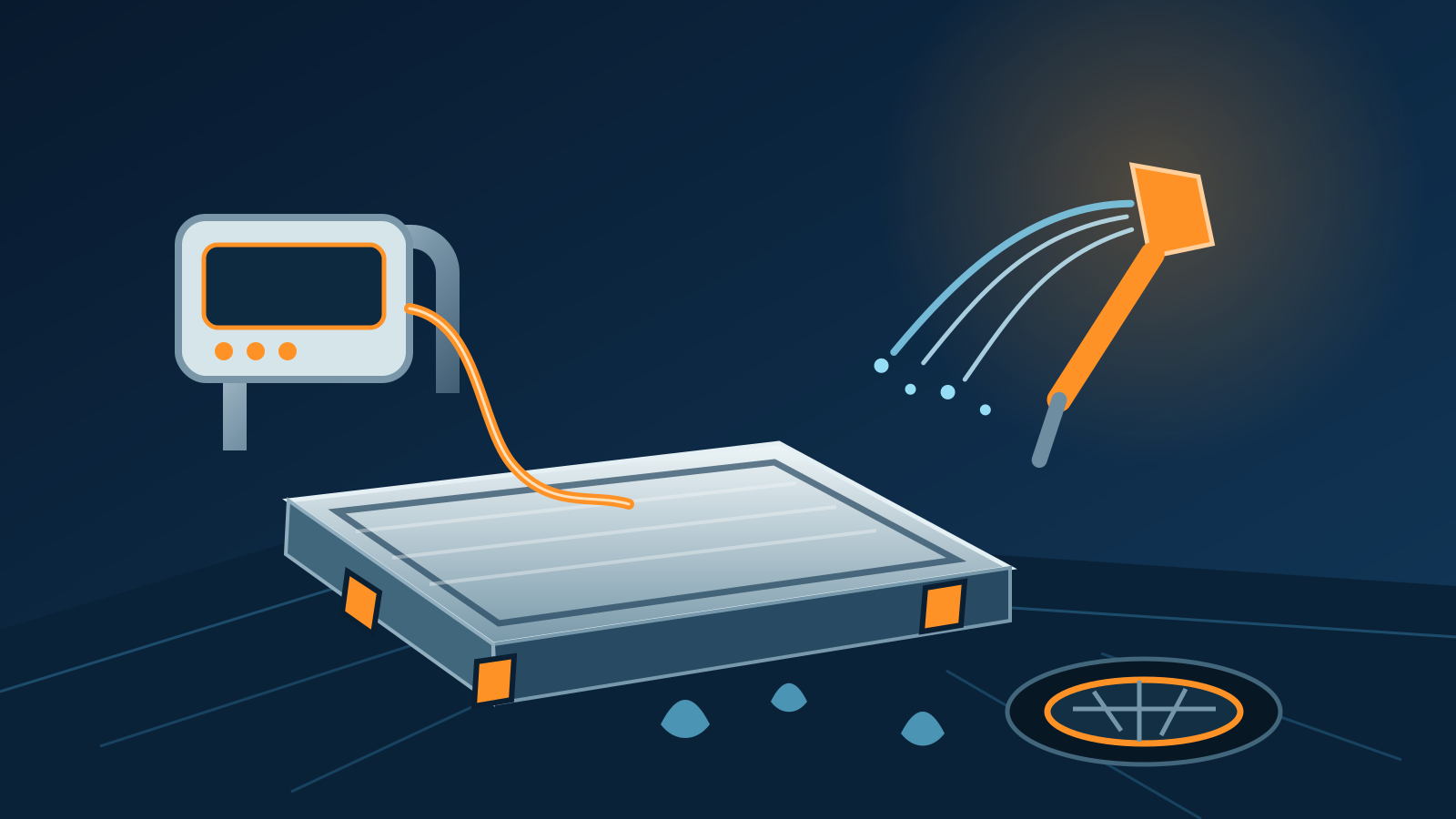
A washdown scale is an industrial weighing system designed and installed for a defined wet-cleaning process. Selecting one requires more than choosing a stainless steel platform or the highest-looking enclosure rating. Match every component, joint, cable entry, mounting detail, drain path, and cleaning chemical to the real environment, then follow the manufacturer’s cleaning, installation, inspection, and calibration instructions.
Key takeaways
- Define the cleaning method before comparing scale specifications.
- Stainless steel can improve corrosion resistance, but it does not make every component washdown-safe or hygienic.
- An IP rating applies to stated ingress test conditions; it is not a universal hygiene or chemical-resistance certificate.
- Drainage, cable routing, mounting, and access determine whether the complete installation can be cleaned and serviced.
- Include the manufacturer or qualified scale provider in specification, installation, commissioning, and training.
- Recheck weighing performance after installation, relocation, repair, impact, or significant environmental exposure.
What makes a scale suitable for washdown?
Washdown suitability is a system property. A platform may tolerate regular spray while an indicator, connector, junction enclosure, or cable gland cannot. Water can also collect beneath a deck, follow a cable into an enclosure, or remain in a hollow member. The weakest exposed detail often governs the practical cleaning limit.
Start by documenting the routine rather than asking for a generic “waterproof” model. Tell prospective manufacturers how often the scale is cleaned; the water pressure and temperature; nozzle distance and direction; cleaning and sanitizing chemicals; contact time; rinse process; ambient humidity; and whether the equipment experiences condensation, steam, salt, fats, acids, alkalis, or abrasive residue. Include accidental exposure and production spills, not only the ideal sanitation cycle.
A supplier can then assess the complete configuration. That assessment should identify cleaning limits, components that need covers or removal, approved chemicals, inspection points, and any seals or consumables that require planned replacement.
Materials and construction details
Stainless steel is common in wet, corrosive, and hygiene-sensitive areas, but “stainless” is not a complete specification. Different grades and finishes respond differently to chlorides, acids, cleaning agents, heat, and mechanical damage. Weld quality, dissimilar-metal contact, surface condition, drainage, and trapped residue also influence service life.
Review each part of the scale:
| Area | Questions to confirm |
|---|---|
| Platform and frame | What material, finish, weld treatment, underside access, and drain geometry are provided? |
| Load cells and mounts | Are the sensor construction, seals, hardware, and mounting arrangement approved for the exposure? |
| Junctions and enclosures | How are covers, gaskets, glands, vents, and connectors protected and inspected? |
| Indicator | Can it remain in place during cleaning, or should it be remotely mounted or covered? |
| Cables | Do sheath materials resist the chemicals, flexing, abrasion, pests, and temperature involved? |
| Feet and supports | Are threads, gaps, hollow sections, and floor interfaces accessible and able to drain? |
Painted carbon steel, plated hardware, aluminum, elastomers, and plastics may be suitable in some wet areas and unsuitable in others. Obtain manufacturer confirmation for the actual combination. Do not infer compatibility from the visible deck alone.
Understanding IP ratings without overclaiming
Ingress Protection (IP) markings classify protection provided by a particular enclosure against defined access, solid-object, dust, and water conditions. They can be useful comparison data when the marking, test basis, installation orientation, and rated component are clear.
However, an IP code does not create a universal equivalence with “washdown,” “waterproof,” sanitary, food-safe, or hygienically designed. It does not automatically establish resistance to detergent, sanitizer, corrosion, temperature cycling, steam, repeated jet exposure, or immersion outside the stated test. A component rating may also depend on correctly installed glands, intact seals, closed covers, approved connectors, and specified mounting.
Ask which parts carry the stated rating and whether it applies to the assembled scale in its operating installation. Confirm limits for pressure, temperature, angle, duration, depth, and maintenance. If hygiene claims matter, evaluate them separately against the facility’s sanitation program, risk assessment, product-contact rules, and applicable requirements. There is no single IP-to-hygiene conversion that works across industries or jurisdictions.
Environment and cleaning method
Two sites that both “wash down daily” may impose very different loads. A seafood room can combine salt, cold surfaces, and condensation. A chemical process area may use agents that attack cable jackets or seals. A food plant may prioritize open access and residue removal, while an outdoor scale must also tolerate sun, freezing, standing water, and grit.
Cleaning should remove contamination without driving it into sensitive areas. Use only manufacturer-approved tools, chemicals, concentrations, temperatures, and spray practices. Avoid using a pressure washer as a substitute for accessible design. Shields can protect equipment, but poorly arranged covers may create hidden traps or prevent inspection.
The floor and surrounding workspace matter too. Provide an intentional route to a suitable drain, prevent pooled water around feet and cables, and keep runoff from reaching incompatible equipment. Consider slip hazards, electrical isolation, hose management, chemical handling, and lockout requirements in the site procedure.
Installation and commissioning
A complete installation should preserve both cleanability and measurement performance. Place the scale on the support specified by the manufacturer, with enough clearance for intended movement and sanitation access. A deck must not bind against curbs, ramps, piping, debris, or hardened residue. Route cables away from wheels, sharp edges, hot surfaces, standing water, and cleaning jets; use approved glands, conduit, drip loops, and supports where specified.
Locate the indicator for safe viewing and operation. Remote mounting outside the direct spray zone may be preferable, but longer routes, connectors, data links, and wall penetrations still require environmental review. Do not drill, weld, seal, coat, or substitute hardware in ways that could defeat drainage, sensor behavior, approvals, or warranty.
Commissioning should include inspection of the full installation, configuration, corner or position checks as applicable, functional tests, calibration, and legal verification when required. Record the approved cleaning process and train operators on exclusions. For large platform applications, the floor scale selection guide explains load size, access, and foundation considerations that remain relevant in wet areas.
Operating and maintenance checklist
- Verify the approved cleaning method and chemical concentration are available at the workstation
- Remove loose product using the permitted method before spraying
- Inspect the deck, gaps, seals, enclosures, cable routes, and drain before cleaning
- Protect or remove components that are not approved for direct exposure
- Keep jets away from vulnerable areas unless the manufacturer expressly permits them
- Allow water to drain; investigate recurring pools, trapped residue, or condensation
- Inspect for gasket damage, loose glands, cable cuts, corrosion, unstable readings, or binding
- Confirm a stable zero and complete the site’s authorized pre-use check
- Record damage, chemical changes, repairs, and performance concerns
- Escalate technical work and calibration to qualified personnel
Cleaning is not calibration, and a stable display does not prove accuracy. Set inspection and calibration intervals from risk, usage, environmental severity, history, manufacturer guidance, and applicable rules. The industrial scale maintenance checklist provides a broader framework, while calibration-frequency guidance explains why no universal interval fits every scale.
A well-specified washdown scale aligns equipment, installation, sanitation, and measurement control. Require the manufacturer and installer to review the complete application, document cleaning limits, commission the system, and support ongoing inspection. That approach is more reliable than relying on stainless steel, an enclosure label, or a generic hygiene claim in isolation.
Frequently asked questions
What is a washdown scale?
A washdown scale is a weighing system selected and installed for cleaning with water or other approved methods. Suitability depends on the complete system—including the platform, load cells, junctions, indicator, cables, seals, mounting, drainage, and cleaning procedure—not on a single material or rating.
Is a stainless steel scale automatically suitable for washdown?
No. Stainless steel may improve corrosion resistance, but grade, finish, fabrication, crevices, load cells, enclosures, cable entries, connectors, and chemical exposure all matter. Confirm complete-system suitability with the manufacturer for the actual cleaning process.
Does a high IP rating make a scale hygienic?
No. An IP rating addresses defined solid-particle and water-ingress test conditions for a particular enclosure. It does not by itself establish hygienic design, cleanability, chemical resistance, food-contact suitability, or fitness for every spray pressure, temperature, direction, or duration.
Can a washdown scale be pressure washed?
Only when the manufacturer approves the complete installation for the proposed pressure, temperature, nozzle distance, spray direction, duration, and cleaning chemistry. Avoid directing a jet at seals, cable entries, vents, connectors, bearings, or other vulnerable areas unless expressly permitted.
Related guides
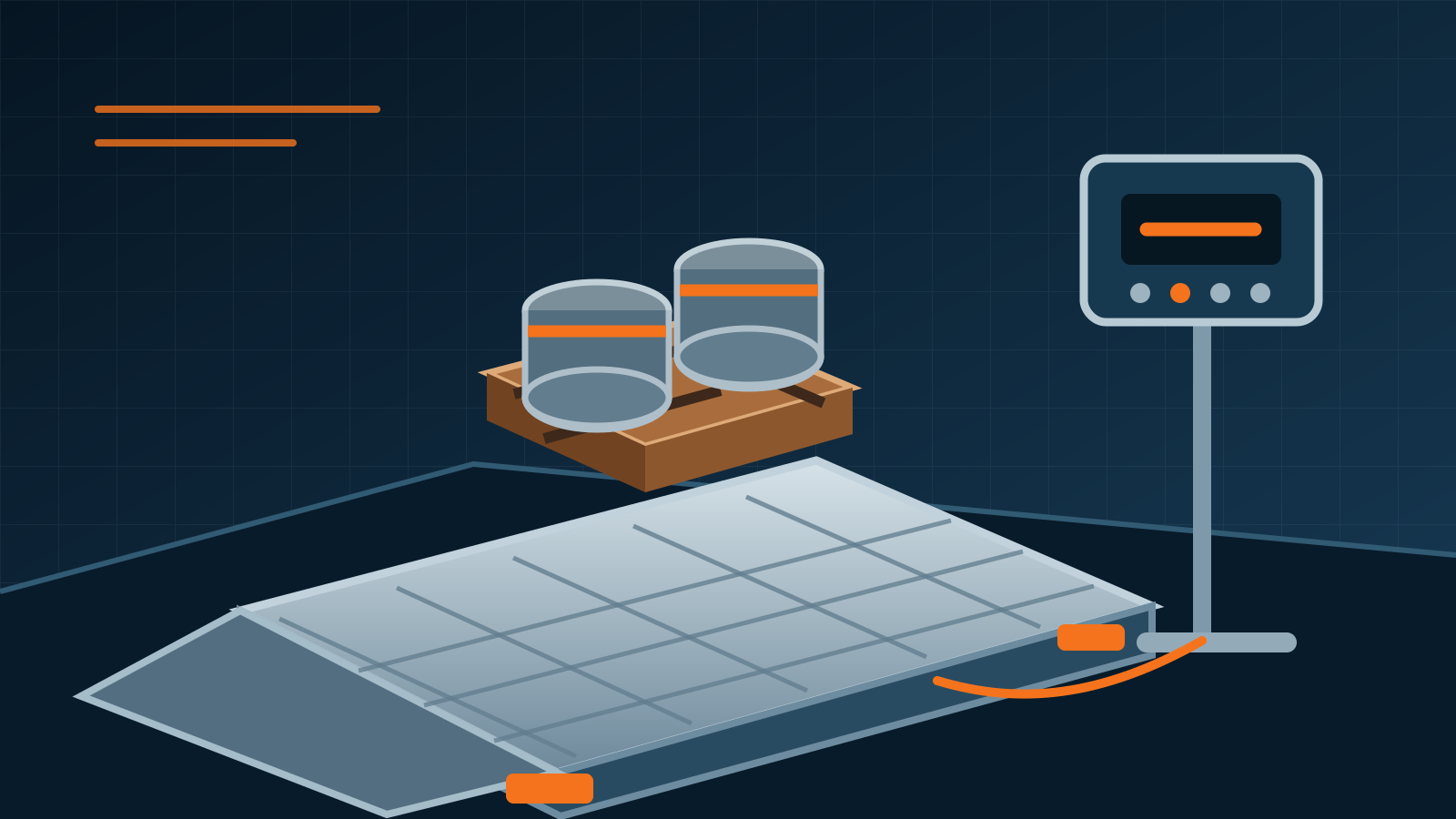
Floor Scale Guide: Types, Applications and Selection
Learn how a floor scale works, compare low-profile, portable, digital, stainless steel and heavy-duty types, and choose the right platform for your site.
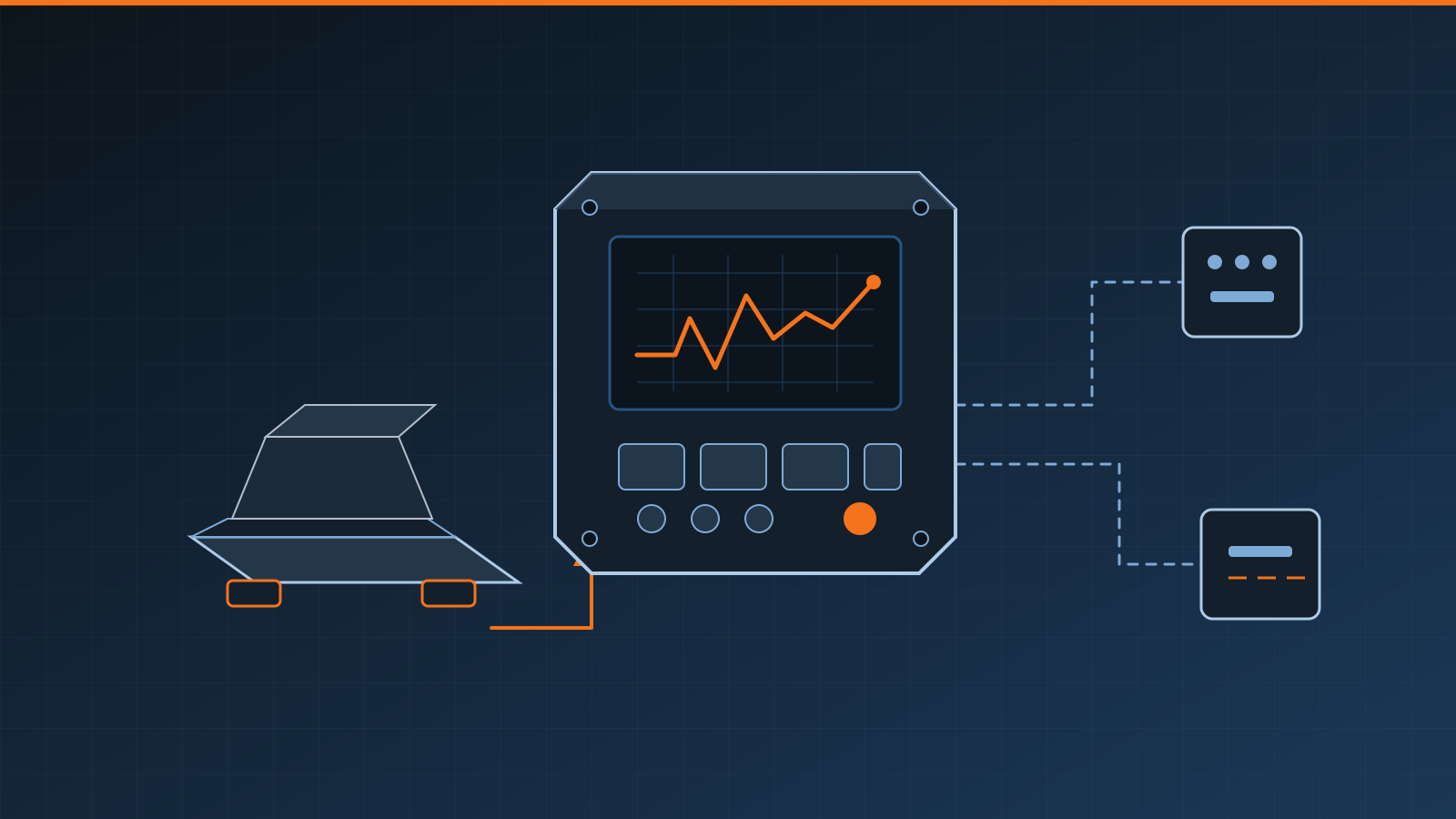
Weighing Terminal: Functions, Integration, and Buying Guide
Learn what a weighing terminal does, how it differs from an indicator or controller, and how to select interfaces, integration, security, and protection.
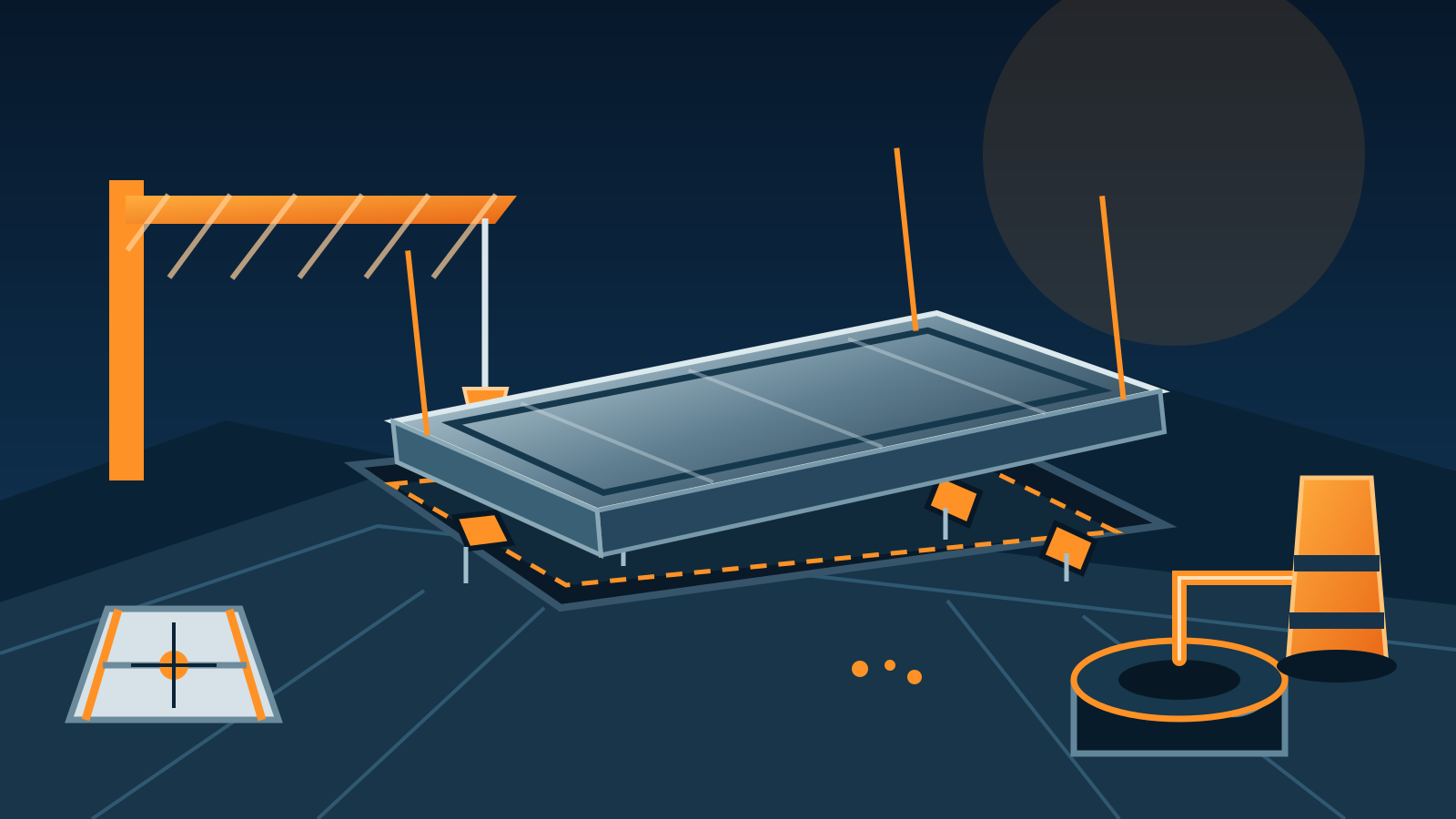
Truck Scale Installation: Site, Foundation and Commissioning
Plan a truck scale installation from site survey and foundation through drainage, power, cabling, calibration, commissioning, training, and handover.